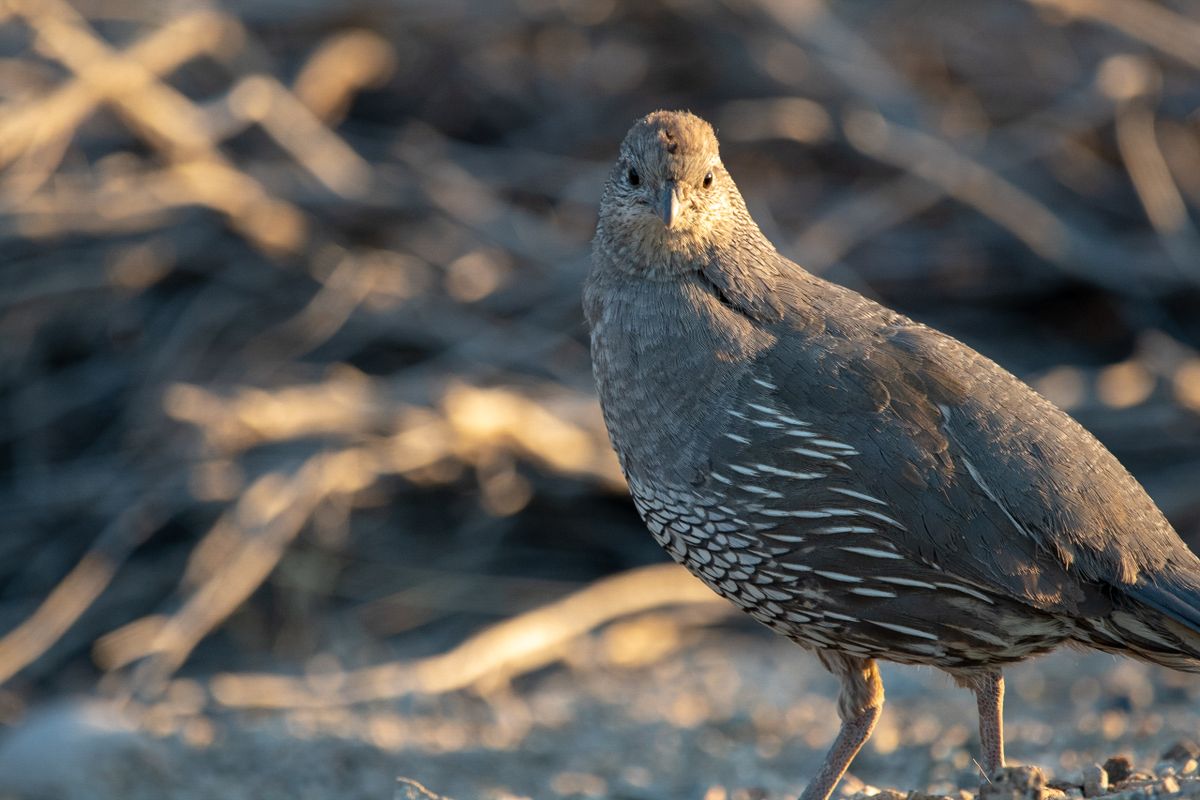
Selectively bred large lines. No official standard exists; the common breeder benchmark is at least 10 oz by 10 weeks, with adult jumbos typically 10–14 oz (roughly double a standard bird) laying noticeably larger eggs, commonly cited at 12–16 g.
"Jumbo" gets stamped on a lot of hatchery listings, so start with the honest fact: there is no official breed standard behind the word. The working benchmark many breeders use is at least 10 ounces by 10 weeks old, and anything under that line is a standard bird wearing a marketing adjective. From quality lines, adult jumbos typically run 10–14 ounces, top meat lines advertise up to 16, against a standard bird's four-to-six: roughly double the animal.
The eggs scale too: commonly cited at 12–16 grams against the standard 9–12, which shows up in your conversion math (three jumbo eggs per chicken egg rather than four) and your carton aesthetics. Hatchery listings note occasional double-yolkers, which at quail scale is comedy.
What jumbos are for: meat, primarily, the extra ounces are the point, and bigger breakfast eggs secondarily. Jumbo lines are the default choice for dual-purpose keeping, and production pace stays quail-normal: an egg a day at peak, 200+ in the first year.
The trades:
Color costs weight. The big lines concentrate in Pharaoh and English White, because the meat breeders selected for weight rather than palette. Keeper consensus is that jumbos offered in fancy colors usually weigh in lighter than the serious brown lines. If you want the rare varieties, you're mostly shopping standard size.
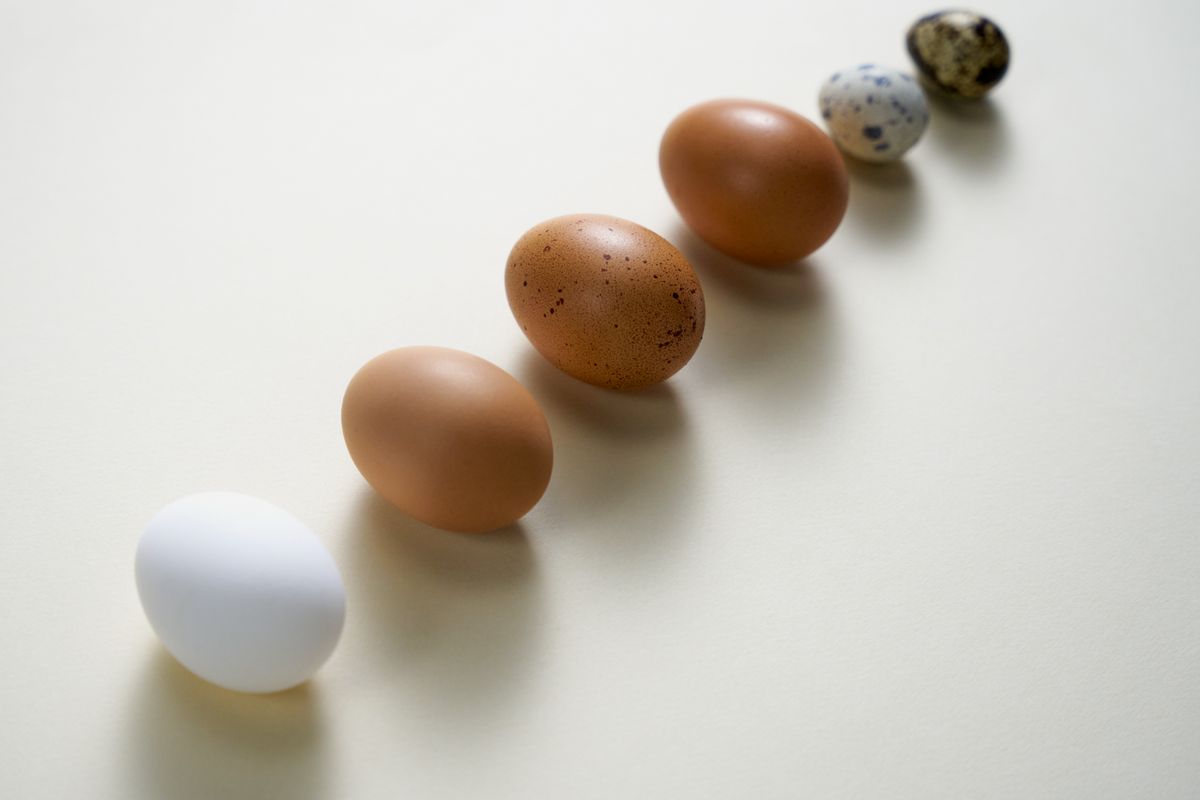
Jumbo celadons barely exist. Big birds laying blue eggs require stacking a recessive gene onto a size program, which breeders describe as a multi-generation project. Buyable occasionally, rare (the gene mechanics).
Lifespan may run shorter. Keeper reports consistently suggest jumbo lines age harder than standards, a claim we grade as consistent report, not proven fact, with a plausible mechanism (fast-grown mass) and no controlled data.
Housing math changes one number: density guidance drops from three standard birds per square foot to two jumbos (the space figures); everything else in the husbandry program (feed ladder, hatch protocol, temperatures) is identical. A jumbo is a Coturnix with the volume turned up.
FAQ
Are jumbo eggs better for hatching?
They hatch fine (note incubator rail sizing); the size premium is a kitchen feature more than a hatchery one. Buy hatching eggs from weighed parent stock rather than from the word "jumbo" in a listing.
Can I breed my standards up to jumbo?
That's literally how jumbos were made, generations of selecting the heaviest. Faster route: buy from a line already there and maintain the selection.
Do jumbos need different feed?
Same ladder. They simply eat more of it. Meat-track jumbos ride the grower ration to harvest.