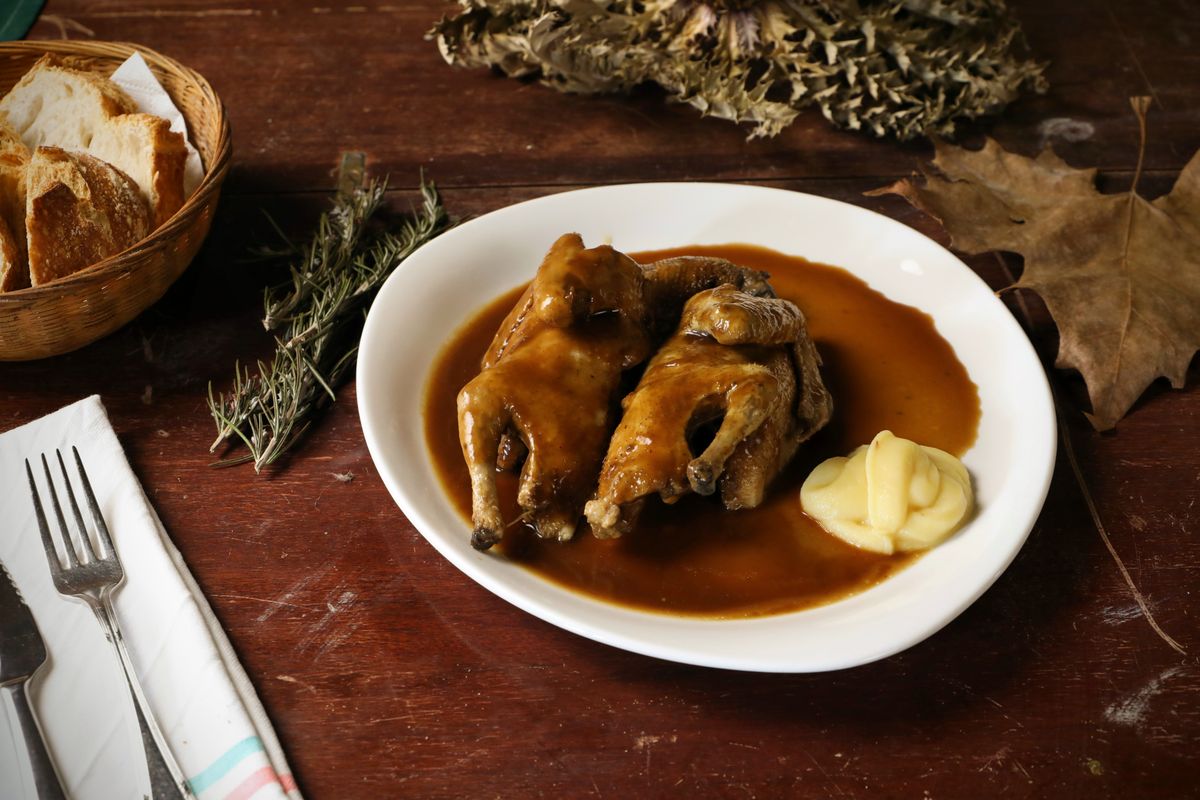
Yes, at small scale: Coturnix reach harvest size at 7–9 weeks, jumbo lines (roughly 10–14 oz live, up to 16 in top lines) are the usual meat choice, and surplus males from egg-flock hatches are the classic entry.
Quail meat is the quiet half of the dual-purpose argument, and the arithmetic is startling even after the egg numbers: harvest at seven to nine weeks from hatch. Hatchery practice brackets the range. Standard Coturnix males are commonly processed around eight weeks, and jumbo lines are listed as butcher-ready by ten. That puts the grow-out in the same class as a Cornish Cross broiler, with one structural difference: quail breed at home, so after the first order the next meat batch comes from your own incubator, several cycles a year if you want them.
The system, structurally:
The birds: jumbo lines are the meat standard. The 10-oz-by-10-weeks definition exists because of meat breeding, and mature jumbos run roughly 10–14 oz live, with hatchery listings reaching 16 oz in the strongest lines. Standard birds are eatable, smaller, and how most keepers start anyway, because,
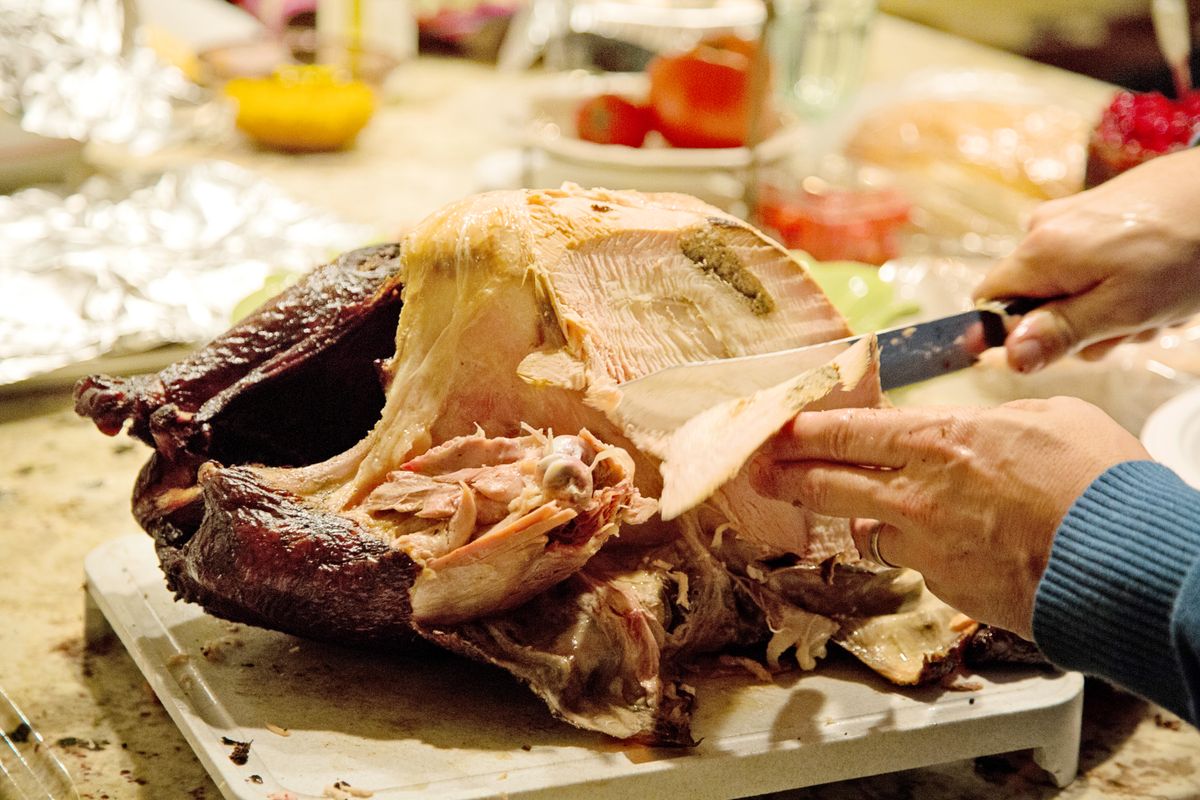
The classic entry is surplus males. Every straight-run hatch is ~half roosters; a laying covey wants almost none of them. Sexed by week four, grown on the grower ration to seven or eight weeks, the surplus-male cohort is a meat program you were already running implicitly. The only decision is whether to complete it, and for many keepers that is also the answer to flock renewal.
The eating: dark, rich, closer to duck's intensity than chicken's neutrality, in single-serving portions. This is restaurant food, historically, precisely because the bird is a plated portion; grill, roast, or fry it the way you would any small dark-meat bird.
On processing: for slaughter, plucking versus skinning, and evisceration technique, your state extension service's small-flock processing resources are the right teacher, and local regulations on home processing vary, so verify yours.
FAQ
How many quail make a meal?
One to two birds per adult portion is standard planning. The single-serving scale is the charm and the math.
Is it legal to process at home?
Home processing for household consumption is broadly permitted in the US; selling processed birds triggers real regulation. Rules are jurisdiction-specific, so verify locally.
Can I eat my retired laying hens?
Yes, older birds run tougher and suit braising over roasting. It's the traditional close of the rolling-flock loop.