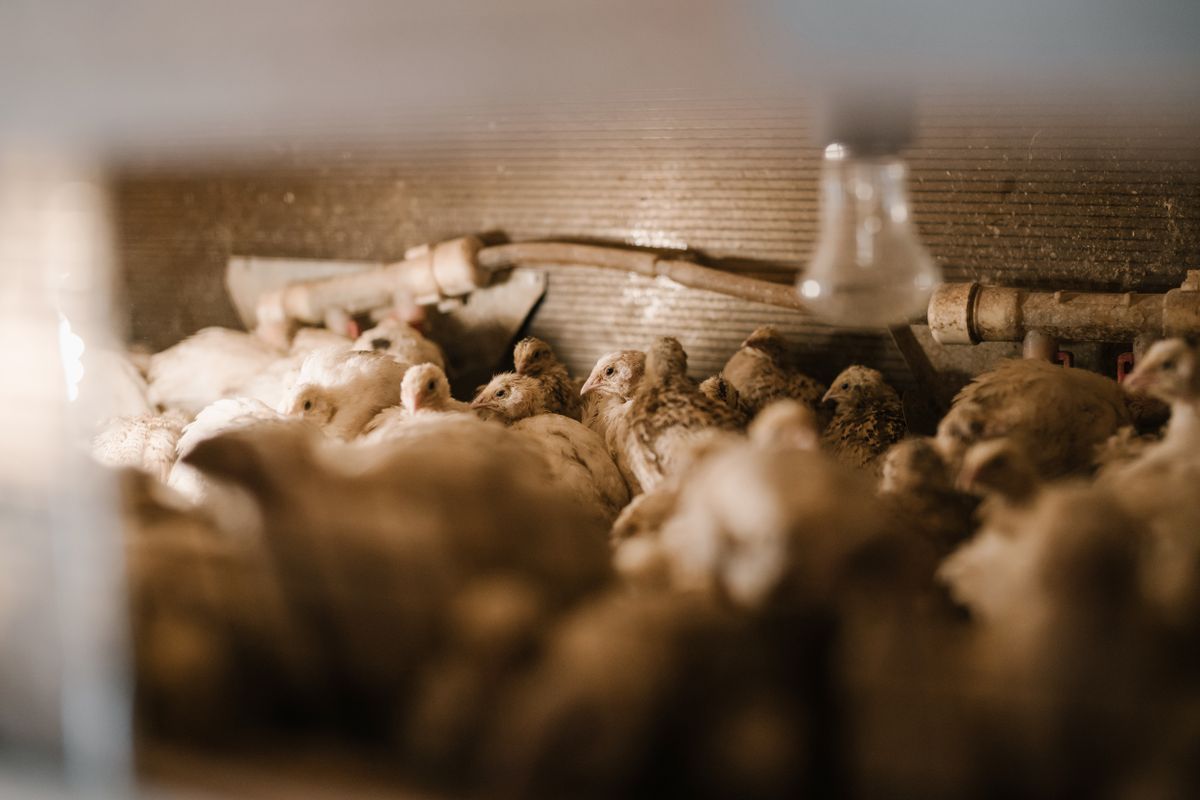
Game bird feed matched to life stage: 28–30% protein starter for chicks (0–6 wks), ~20–24% grower (6 wks to maturity), then layer ration with free-choice calcium for hens in lay. Fresh water always.
Daily quail care is a ten-minute job: top the feed, freshen the water, grab the eggs, eyeball the flock. The program below is what makes ten minutes enough.
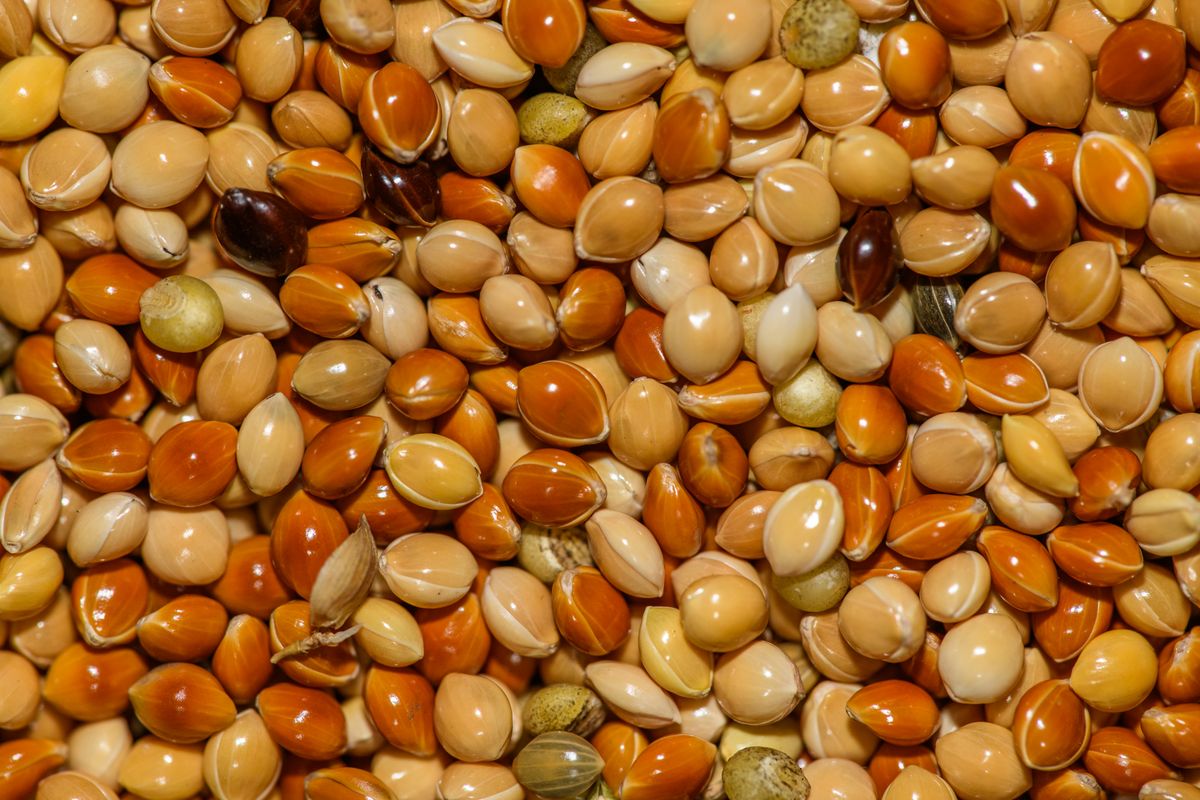
The feed ladder
Quail are game birds, and the single most consequential care fact is that they need more protein than chicken feed provides. The whole program is a protein ladder descending with age:
0–6 weeks: starter, 28–30% protein. Game bird or turkey starter, crumbled fine, free-choice. Extension minimums for Coturnix starter run 24%; the game-bird starters actually on shelves land at 28–30%, and either beats chicken starter's 18–20%, which produces slow feathering, weak growth, and losses. Full detail in the brooder guide.
6 weeks to maturity: grower, ~20–24%. As feathering completes, step down to a game bird grower/developer; keeper practice brackets the band at 20–24%, with extension finisher specs running a little lower. Meat-track birds ride this ration to harvest.
In lay: layer ration + free-choice calcium. Hens producing near-daily eggs need sustained protein and serious calcium, Mississippi State Extension's quail feeding program specs a Coturnix layer diet at 18% protein and 2.75% calcium. Use a game-bird layer ration where stocked, with oyster shell or cuttlebone in a separate dish so hens self-dose. Where game-bird layer isn't available, keeper practice accepts an 18%-protein chicken layer plus the calcium dish, with 16% flagged as too low for strong production. Soft or shell-less eggs are the calcium warning light (the egg program).
Two label rules across all stages: prefer non-medicated feed, and read the protein number rather than the marketing. The percentage is the product.
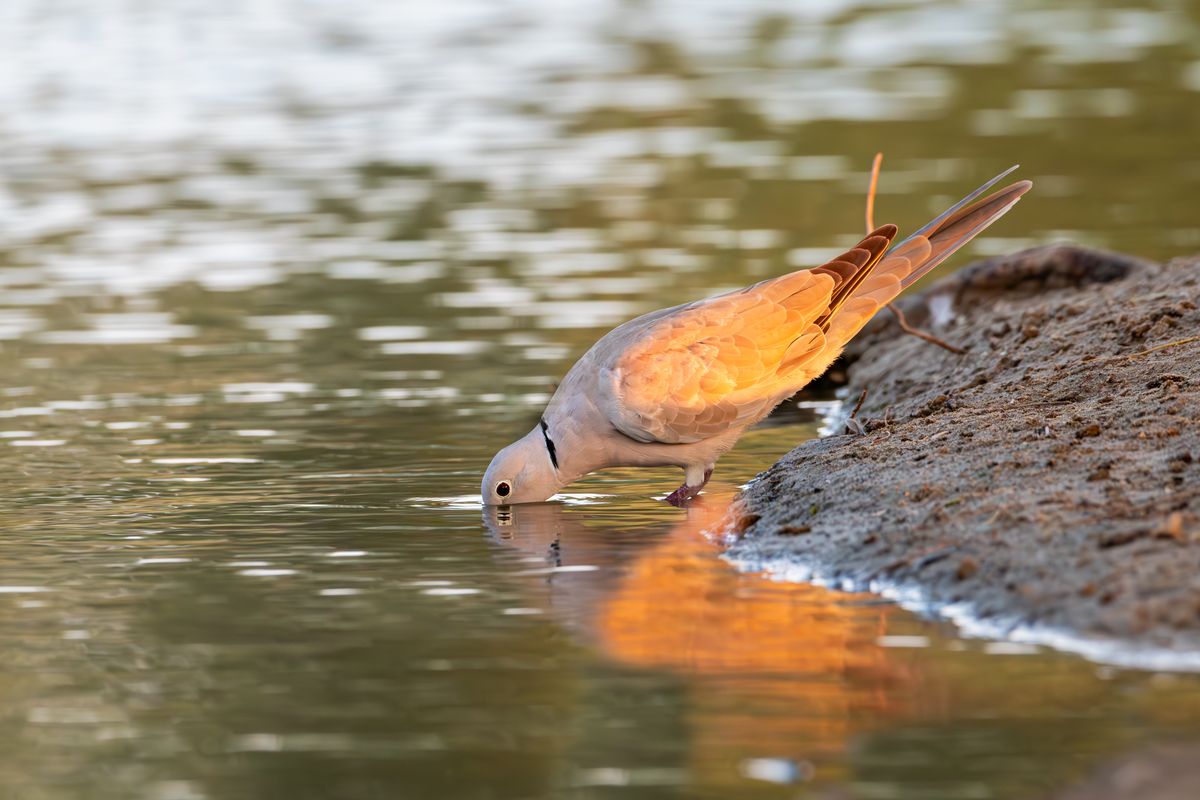
Water, always
Clean water at all times, full stop. Quail metabolisms run hot and fast, and a deprived bird's health declines within days rather than weeks. Drown-proofing matters for chicks (marbles); for adults the job is freshness, ice-checking in winter, and shade in summer.
The non-feed program
Dust bath, a tray of sand (or sand-and-peat) is hygiene equipment, not a toy: it's how quail manage their own feathers and parasites, and they use it daily and theatrically. Grit, once anything beyond commercial feed enters the diet. Light, 14+ hours for sustained lay (the policy choice). The daily eyeball: quail hide illness until late, so the real health program is knowing normal: eating, dust-bathing, feather condition, egg count. Changes in those four are your early-warning system; a bird that's visibly sick is urgently sick. Quarantine: new birds wait 14 days minimum before meeting the flock. Diseases travel in on healthy-looking carriers, and a covey is small enough to lose entirely.
FAQ
Can adult quail eat chicken layer feed long-term?
18% + free-choice calcium: accepted keeper practice, slightly sub-optimal. 16%: too low. Game-bird layer where you can get it.
How much feed per bird per day?
Figure 14–18 grams per adult, roughly half an ounce, the figure published by the New South Wales Department of Primary Industries. In practice, feed free-choice from a no-spill feeder; waste moves a backyard feed bill more than intake does.
Kitchen scraps?
Within the 10% treat rule, greens and safe scraps as seasoning, ration as the diet.