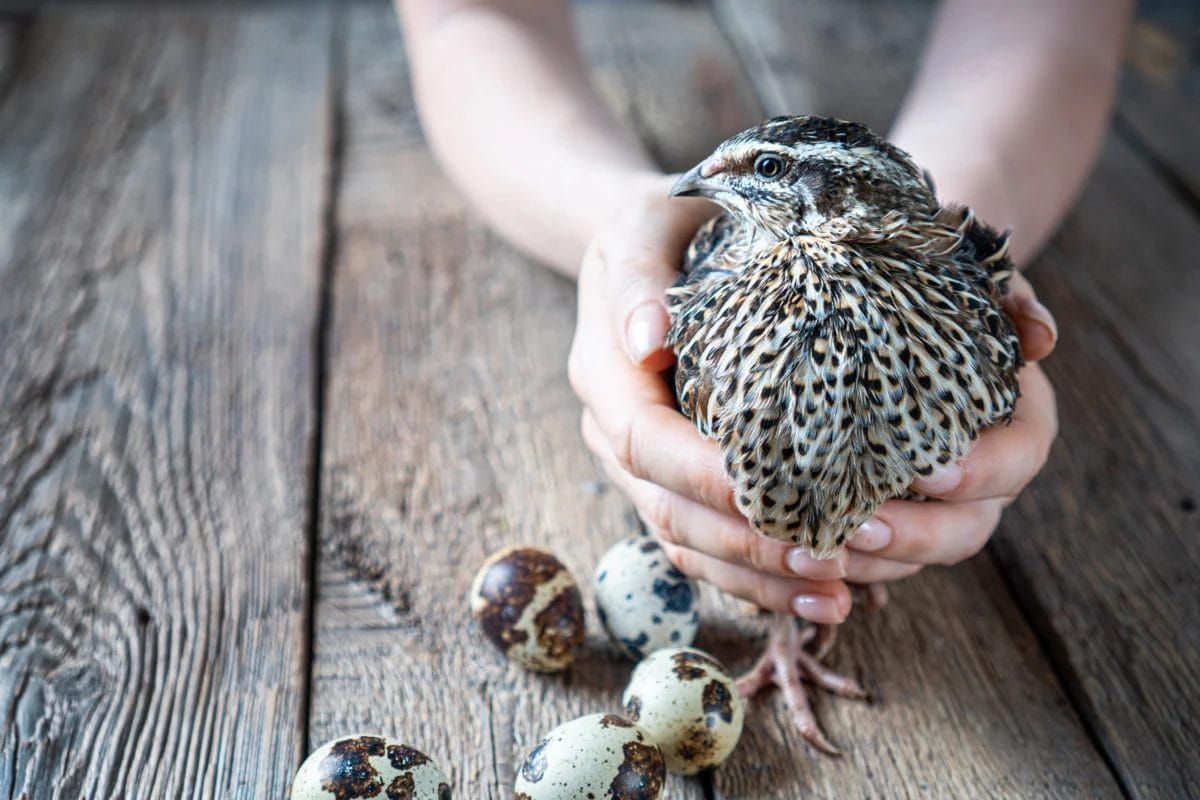
No. Quail are among the easiest birds to keep: tiny space needs, quiet compared to chickens, laying at 6–8 weeks old, and a routine of minutes a day.
Quail are remarkably productive little birds. A Coturnix weighs about as much as an apple, needs a fraction of a chicken's space, and a hen can lay her first egg at six to eight weeks old, an age at which a chicken is still months from producing anything. Six hens will keep a household in tiny, speckled eggs more or less indefinitely.
That's the sales brochure. Now for the stuff the brochure leaves out.
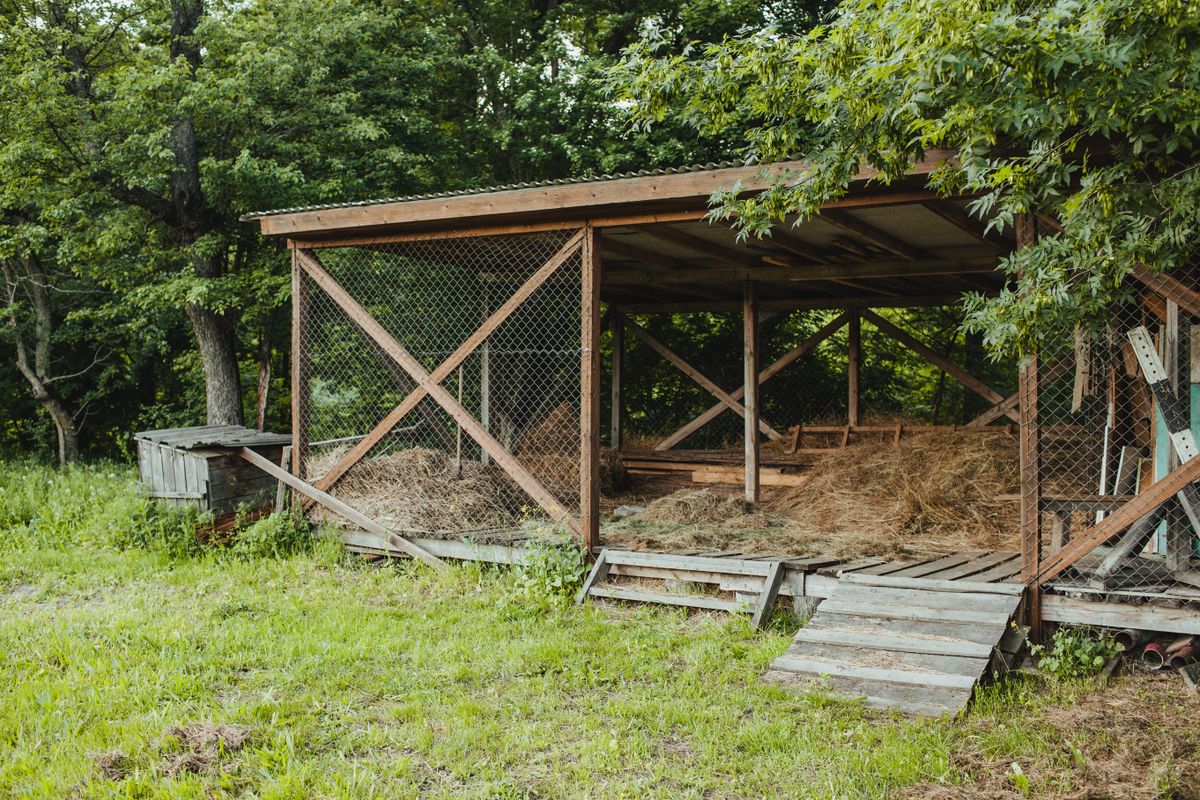
What quail ask of you: a predator-proof enclosure with a lid (they fly, vertically, suddenly, and without a plan), the right feed (game birds need more protein than chicken feed provides), water, and minutes a day of routine. They don't need acreage, a barn, or an identity change. Grow tomatoes; keep six quail; eat the eggs.
What quail can't do: hatch their own young. Domestic Coturnix hens almost never go broody, so making more quail means an incubator (the whole story). And they live fast in both directions: quick to mature, with a lifespan measured in a couple of years rather than a chicken's five-plus. Keeping quail means keeping a flock over time, not individual decade-long pets.
Who they suit: anyone with a sheltered corner and curiosity. That includes urban yards where chickens are banned or borderline, keepers who want eggs without a rooster's dawn opinions, families who want the hatch-to-egg cycle fast enough for a child's attention span, and anyone edging toward producing a little of their own food without buying overalls.
Work through the six steps in order. By the end you'll know your flock size, your space plan, your budget, and whether the answer is yes. (It's usually yes.)
FAQ
Are quail legal where chickens aren't?
Sometimes. In many US localities quail are classified differently from chickens (often as game birds), which can mean more permissive rules or different permit requirements. There's no universal answer: check your city code and, for native species like bobwhite, your state wildlife agency. Coturnix are the usual backyard choice partly for this reason.
Eggs or meat or both?
Both, if you like: the same flock's hens lay while surplus males become dinner. Start with the egg path; the meat hub is there when you're ready.
What's the biggest beginner mistake?
Feeding chicken starter to chicks. Second: no lid. Third: buying birds before the housing exists. All three are cheap to avoid on day zero.