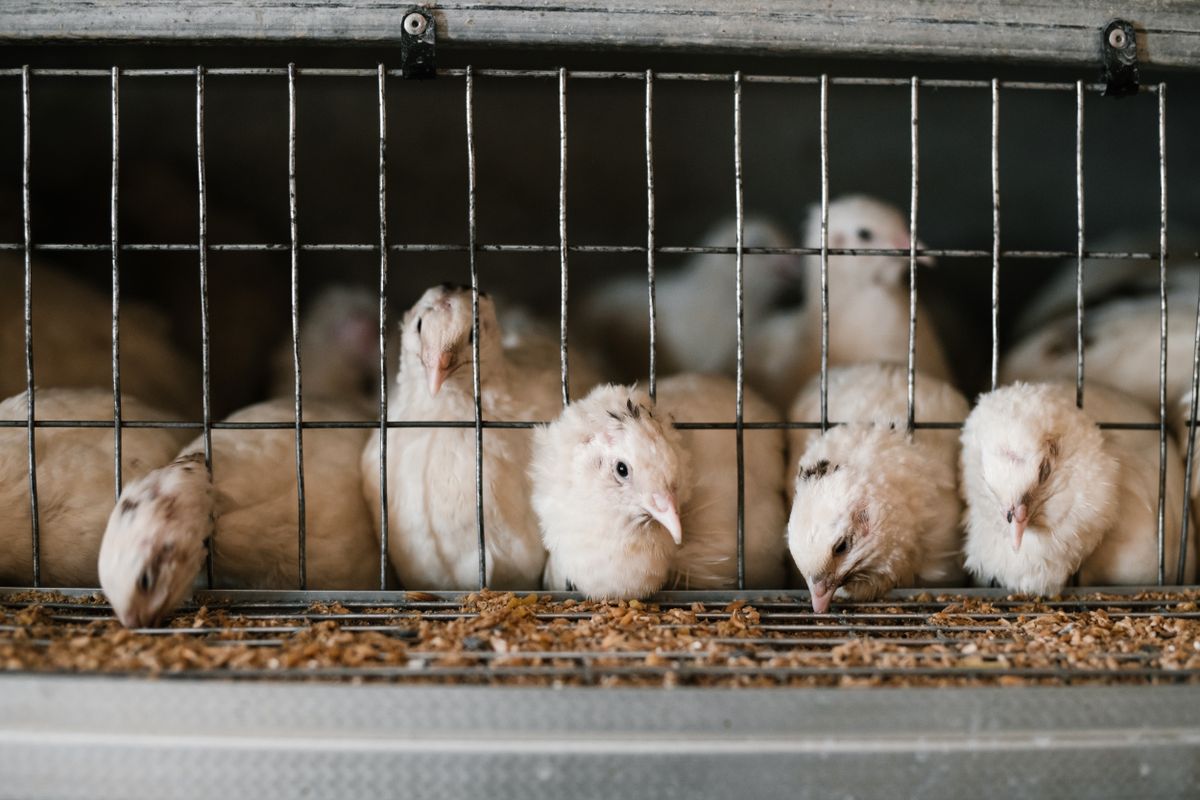
The major varieties: Pharaoh (wild-type brown), Italian and Golden Manchurian (gold), English White, Texas A&M (white, meat-bred), Tibetan (dark chocolate), Tuxedo patterns (dark with white bibs), plus the Fee dilutes (Falb, Pansy) and Pearl.
One species, many coats, and one organizing question that makes this guide practical instead of decorative: can you tell the hens from the roosters by looking? Varieties sort cleanly into two camps, and the camp determines your sexing method and timeline.
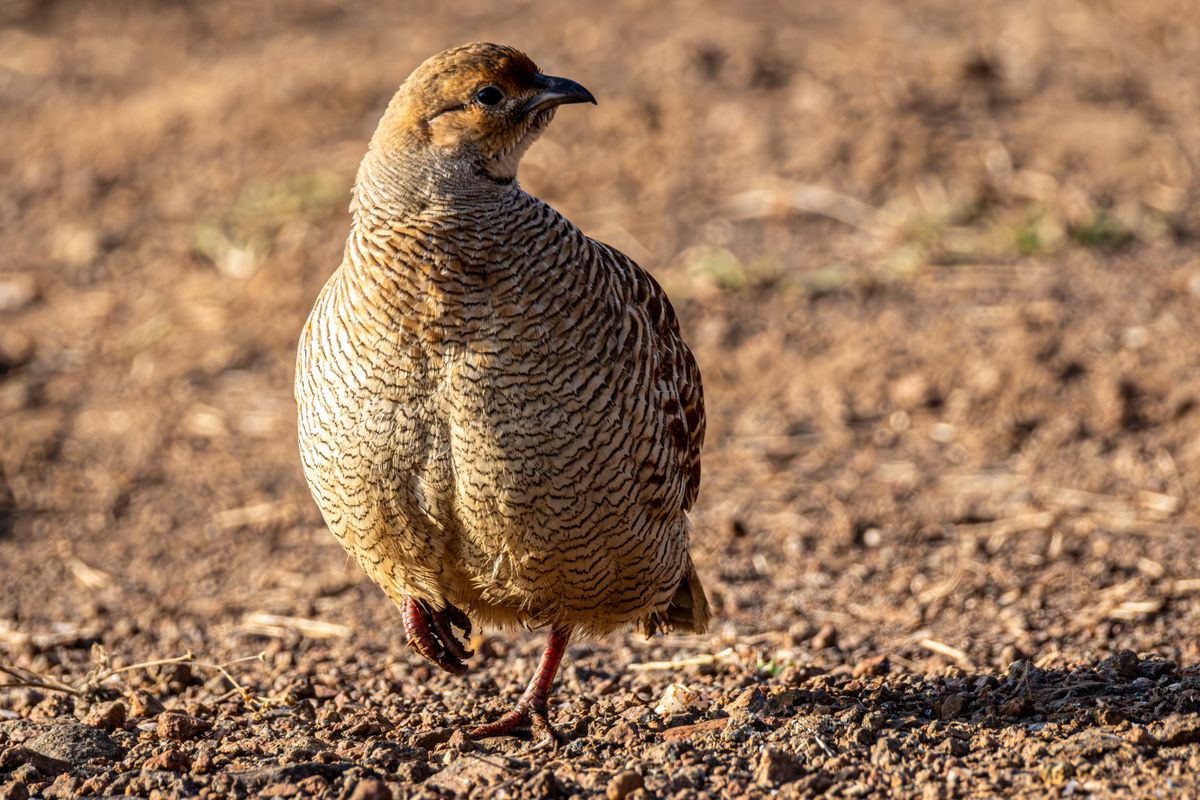
The patterned camp (feather-sexable at 3–4 weeks)
These keep the wild dimorphism: males wear solid rusty chests, females wear speckles, and both become readable as juvenile feathers arrive.
Pharaoh, the wild-type brown, the default Coturnix, the pattern the peer-reviewed sexing literature describes. Camouflage-brown backs, and the classic rusty-vs-speckled chest split. The workhorse variety and the beginner's friend.
Italian & Golden Manchurian, the golds: warm yellow-buff bodies carrying the same chest dimorphism in lighter ink. (The two names describe closely related gold types; breeder usage varies.)
Egyptian, Falb Fee and Pansy Fee (the "Fee" dilutes, softened, bluish-toned takes on brown and gold), and Pearl, rarer patterned varieties, all readable by chest once the juvenile feathers come in.
The solid camp (vent-sex at maturity, ~5–8 weeks)
Uniform coats hide the chest signal entirely, the same fact the scientific literature notes for non-dimorphic mutant stocks.
English White: clean white, sometimes with dark spotting. Texas A&M: the white meat-bred line, developed for pale carcass skin and typically on the larger side. Tibetan: deep chocolate-brown all over, striking in a covey. Tuxedo patterns: dark bodies with white bibs and face flashes, available on several base colors; the bib sits exactly where the sexing signal would be, which tells you their camp.
Range and rosetta variants, splashes, and the long tail of breeder-project colors mostly follow one rule of thumb: if the chest is patterned in the wild style, you can probably read it; if it's solid or white-bibbed, wait for the vent.
Three buying-decision notes
Sexing convenience is a real feature. For a first covey where you want five hens and no surprises, patterned varieties convert to certainty a month earlier.
Color says little about production. Egg-laying runs on line quality and management rather than coat; the one systematic association is that jumbo size concentrates in Pharaoh and English White, because meat breeders selected for weight, not palette.
And the persistent myth: blue eggs are not a feather color. The celadon gene rides invisibly under any coat, feather color and egg color are genetically unrelated, and no bird's appearance reveals whether it carries celadon. A "celadon quail" is defined at the egg tray, never in the feathers.
FAQ
Which variety is friendliest?
Temperament tracks handling and line far more than color. No credible variety-temperament data exists. Buy from calm parent stock and handle chicks early.
Can I keep a mixed-color covey?
Yes, same species, same care. Just know that mixed breeding scrambles color genetics into cheerful chaos within a generation.
What's the rarest variety?
Rarity churns with breeder fashion; the Fee dilutes and specialty projects trade at premiums today, and the answer will differ next year. Buy the bird, not the scarcity.