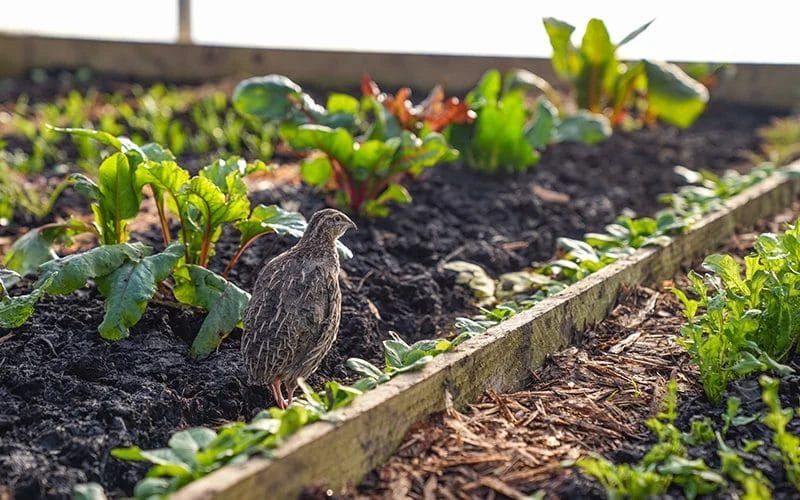
Coturnix (Japanese quail, Coturnix japonica) are the domesticated quail — apple-weight birds (~4–6 oz standard; jumbos typically 10–14 oz) that mature in 6–8 weeks, lay 200–300 eggs a year, and come in a wide range of feather varieties.
The bird behind essentially all backyard quail-keeping is Coturnix japonica, the Japanese quail, domesticated across centuries into a small, calm, remarkably productive animal. When a feed store or hatchery says "quail" without qualification, this is the bird.
The spec sheet: a standard adult runs about four to six ounces (the AnAge database logs wild-type at 115 grams), with selectively bred jumbo lines typically reaching ten to fourteen. Sexual maturity lands at six to eight weeks; AnAge's figures are ~52 days for males and ~63 for females. Hens produce 200–300 eggs a year at peak. Lifespan runs two to three years typically. Temperament: docile, handleable, widely recommended as the child-friendly quail. No common backyard bird goes from hatch to first egg faster, which is the appeal, and the emotional fine print.
What Coturnix are not: bobwhite, the New World native raised for hunting and conservation release, or button quail (the tiny aviary bird), or the wild western species (California, Gambel's). Different species, different rules: bobwhite incubate a week longer, need drier settings, mature far slower, and often require game-bird permits that Coturnix don't. Everything unlabeled in these guides is Coturnix; where a figure is species-specific, the species is named.
How the varieties organize: Coturnix "breeds" are really one bird in many coats, feather varieties (the color guide) crossed with a size axis (standard vs jumbo) crossed with one famous egg-color gene (celadon) that has nothing to do with feathers at all. Husbandry is identical across all of them; the differences are appearance, sexing method, and grams.
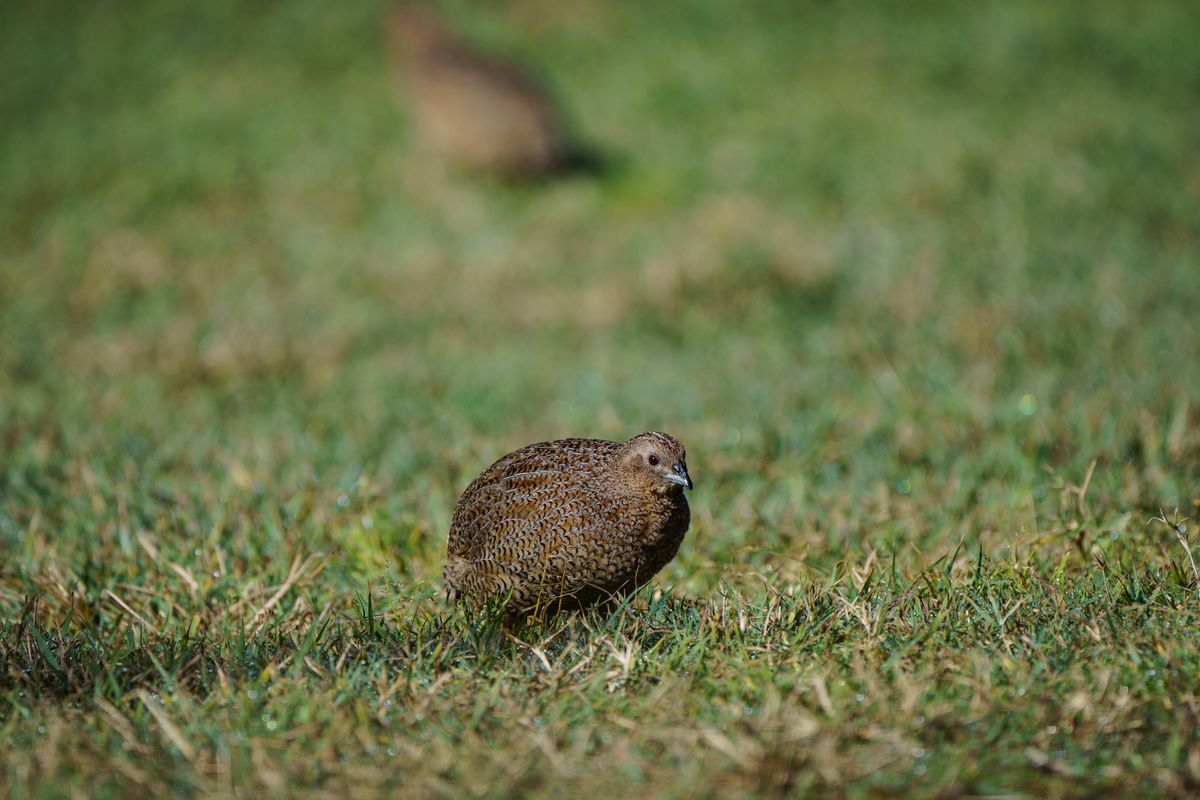
Choosing your first birds: for eggs, any healthy standard or jumbo line. Pattern varieties (Pharaoh-type) buy you feather sexing at three weeks, a genuine beginner convenience. For meat weight, jumbos. For the blue-egg party trick, celadon lines. For all three at once: that's how quail math starts.
FAQ
Are Coturnix legal where game birds are regulated?
Usually the least regulated quail, domesticated and non-native, so typically outside wildlife-agency permitting that covers bobwhite. Verify locally; the framework.
Coturnix vs "Japanese quail" vs "Pharaoh", same bird?
Same species throughout; "Pharaoh" is the wild-type brown color of that species. Naming in this hobby is enthusiastic rather than systematic.
Can different varieties live together?
Freely. They're one species and interbreed accordingly, which is how breeders build (and accidentally scramble) color lines.