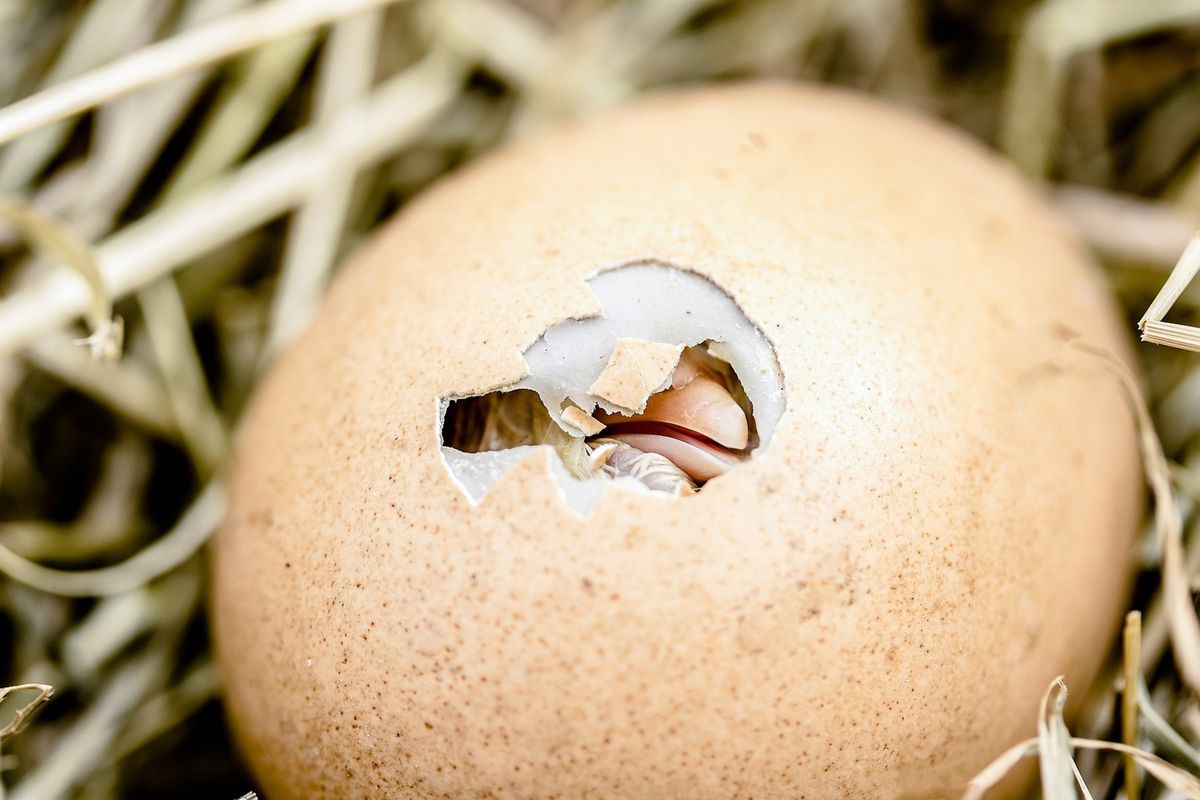
17–18 days for Coturnix quail. Most hatch on day 17.
Seventeen days is the number to write on the calendar. Set your Coturnix eggs on a Monday and you should hear peeping seventeen days later, though by day 16 it can feel like weeks.
That 17–18 day window makes Coturnix about the fastest hatch in the backyard. Chickens take 21 days. Bobwhite quail, the North American native some keepers raise for release or hunting, take 23–24. Ducks take 28. If you're the impatient type, you picked the right bird.
The timeline that actually matters
Counting starts when the eggs go into a running, stabilized incubator, not from the lay date, and not while the incubator is still climbing to temperature. Day 1 is the first full day at temperature.
| Days | What's happening inside | What you do |
|---|---|---|
| 1–13 | The embryo develops from a speck to a nearly complete chick | Hold temperature and humidity steady; turn eggs at least 3× daily |
| 14–15 | The chick positions for hatch | Lockdown: stop turning, raise humidity, close the lid |
| 16 | Early birds may pip | Nothing. Genuinely nothing. |
| 17 | The main event, most chicks hatch today | Still nothing. Leave the lid on. |
| 18–19 | Stragglers finish | Patience. Chicks can live 24+ hours on absorbed yolk |
| 20+ | The window is closing | See "when is late actually late," below |
One quirk worth knowing: sources split on whether lockdown is "day 14" or "day 15." It's mostly a counting-convention argument. What everyone agrees on is three days before your expected hatch, and that's the phrasing we use throughout Quail Stead so you never have to arbitrate someone else's calendar math. The full protocol lives in the lockdown guide.
Why some hatches run early or late
Incubation length is a thermometer reading wearing a disguise. The main levers:
- Temperature. Running warm shortens incubation; running cool stretches it. A hatch that consistently lands on day 16 suggests your incubator reads low relative to reality; day 19 hatches suggest the opposite. This is one reason to keep an independent, calibrated thermometer inside rather than trusting the built-in display: keepers routinely find factory sensors reading a degree or two off.
- Egg storage before setting. Eggs stored longer before incubation tend to hatch later and less reliably. Research on cool-stored Coturnix eggs found hatch rates holding through roughly the first three weeks, then dropping steeply, but hatch timing drifts later well before that.
- Egg size and breed line. Jumbo lines can run to the later end of the window.
When is late actually late?
Day 18 with no pips: normal. Day 19: still within the range experienced hatcheries report. Day 20: the tail end of plausible, candle before you despair.
Past day 20, the odds drop steeply. Before doing anything irreversible, work through the failed and late hatch guide. It covers candling for late movement, the float test, and the post-mortem questions (temperature log, humidity log, egg age) that tell you what to fix for round two.
What you should not do at any point in days 16–19 is open the incubator "just to check." Every opening dumps humidity exactly when the hatching membrane is most vulnerable to drying. The lid stays on until hatching is done and the chicks are dry and fluffed. They can wait. You can too, though the incubator window will test that proposition.
FAQ
Do quail eggs all hatch at once?
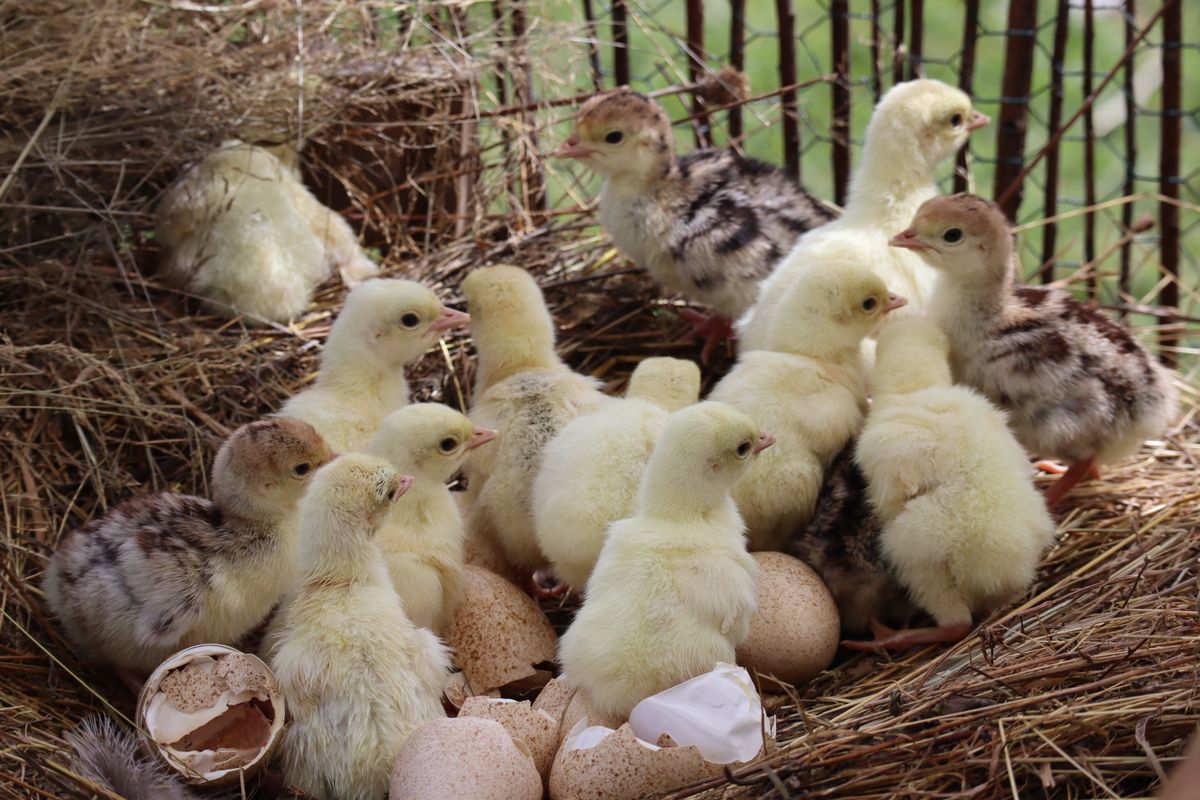
Close to it, a healthy Coturnix hatch mostly finishes within 24 hours of the first chick, though stragglers into a second day happen. Bobwhite broods in the wild hatch nearly simultaneously.
Can I open the incubator during the hatch?
No. Wait until hatching is complete and chicks are dry. Newly hatched chicks live off absorbed yolk for a day or more, so the early arrivals aren't starving while the late ones finish.
My eggs are on day 21. Is it over?
Probably, for Coturnix. But candle first, and read the troubleshooting guide before you clear the incubator. (If they're bobwhite eggs, day 21 is early. They run 23–24 days.)
Does the 17–18 days include lockdown?
Yes. Lockdown is the last phase of incubation, not something after it.