Quail win on space, speed, noise, and legality in tight quarters; chickens win on egg size, lifespan, hardiness, and self-sufficiency. Small urban yard → quail. Room and permissive rules → chickens, or both.
Everybody runs this comparison before buying birds, so let's run it properly: category by category, no thumb on the scale.
Speed, quail, by a mile. A Coturnix hen can lay her first egg at six to eight weeks old. A production chicken takes four to six months. From an incubator's perspective it's more lopsided still: quail eggs hatch in 17–18 days to a chicken's 21, so the entire quail cycle (set eggs, hatch, raise, first egg) fits inside the time a chicken chick spends merely growing up.
Space, quail, decisively. Backyard quail guidance clusters around one square foot per bird, and working setups run tighter; a six-hen covey lives comfortably in the footprint of a coffee table. Chickens need a coop plus a run that together add up to ten or more square feet per bird to stay civil. If your available space is a balcony corner or a slice of patio, the comparison is already over.
Noise, quail. No quail sound carries like a rooster's, and a covey of hens is a low conversational burble; keepers who have had both routinely describe the quail setup as the quieter operation. Males do crow (a sharp little announcement, covered here), but it's apartment-adjacent noise, not across-the-street noise.
Legality in tight quarters, usually quail. Where chicken-keeping is banned or capped, quail often fall under different classifications with lighter rules. Often is not always: check your local code; no comparison table outranks your city's actual ordinance.
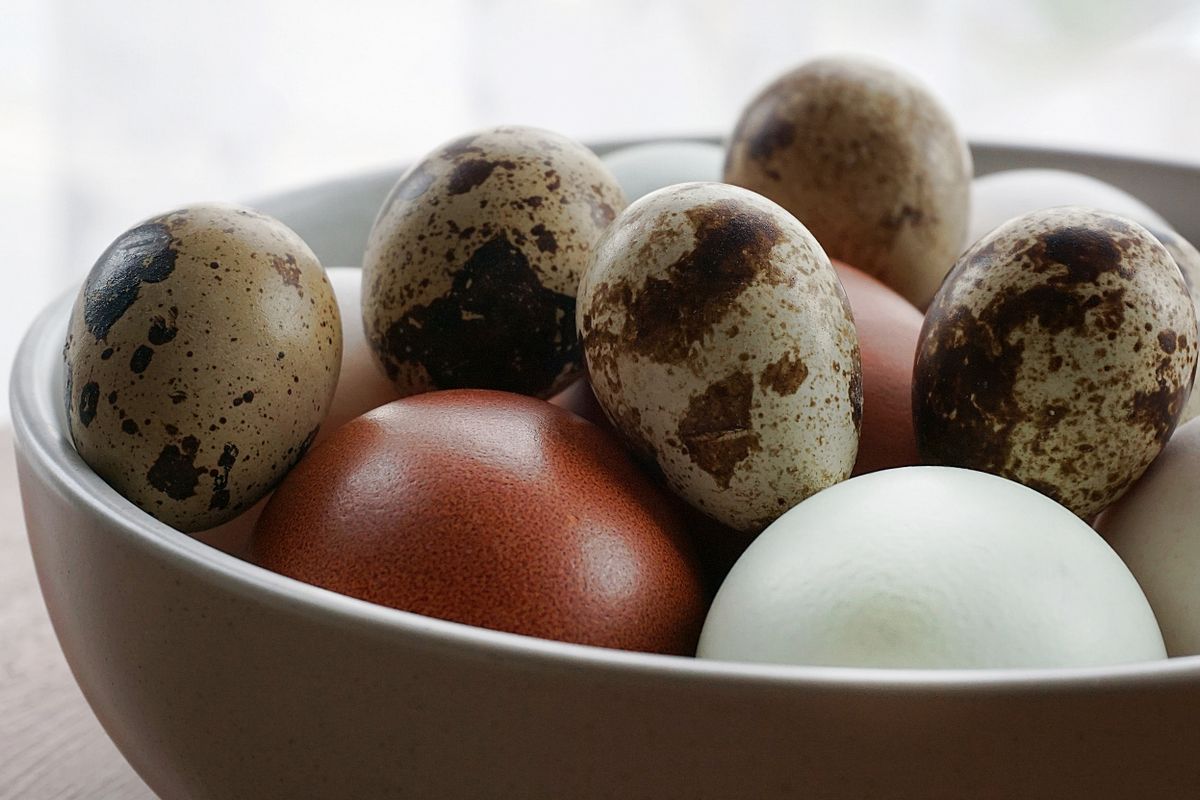
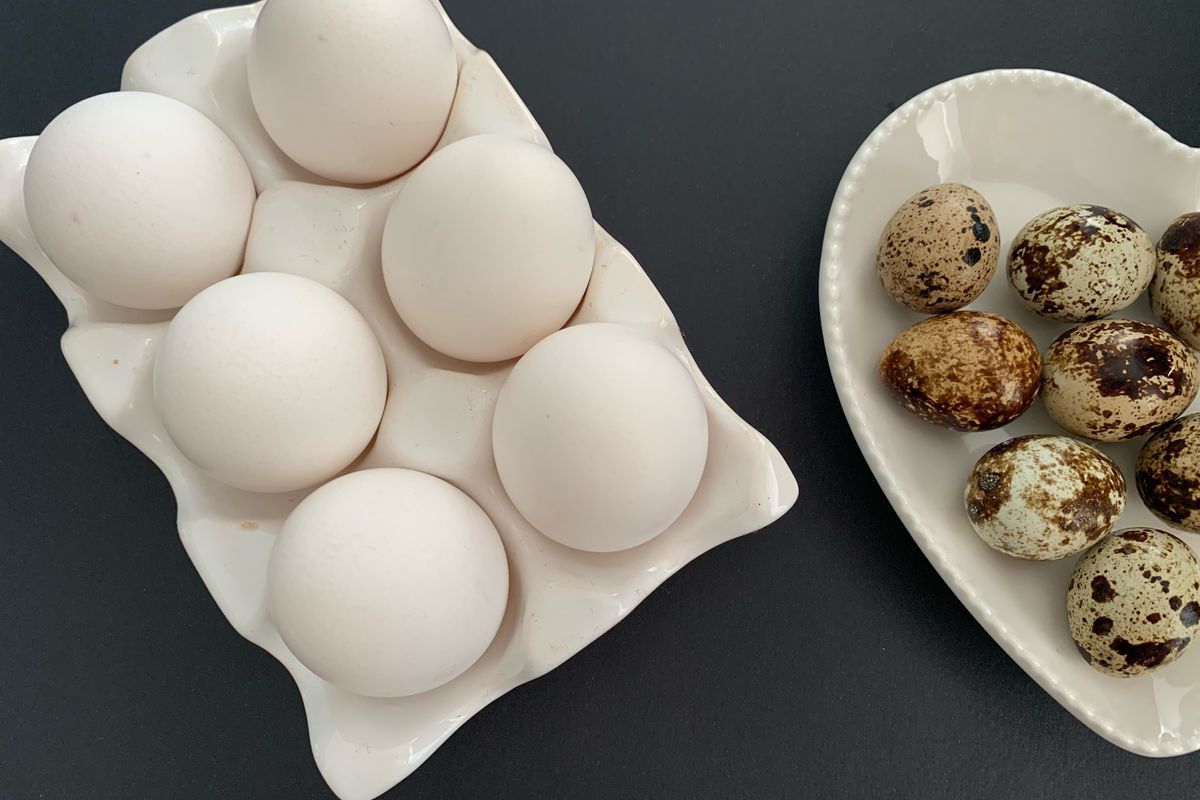
Egg size and kitchen convenience, chickens. It takes roughly four standard quail eggs (three from jumbo lines, up to five for smaller eggs) to substitute one large chicken egg, and cracking four tiny speckled spheres per pancake batch is charming exactly as long as you decide it is. Quail eggs counter with looks, pickling, and per-gram nutrition (full comparison). For sheer breakfast logistics, the big egg wins.
Lifespan and continuity, chickens. A chicken is a five-year companion; a Coturnix typically runs about two. Quail-keeping is flock stewardship with regular renewal, which the incubator makes easy, but it's a different emotional contract.
Self-sufficiency, chickens. A broody hen will hatch and raise her own replacements with zero equipment. Coturnix won't (why); the incubator is part of the deal.
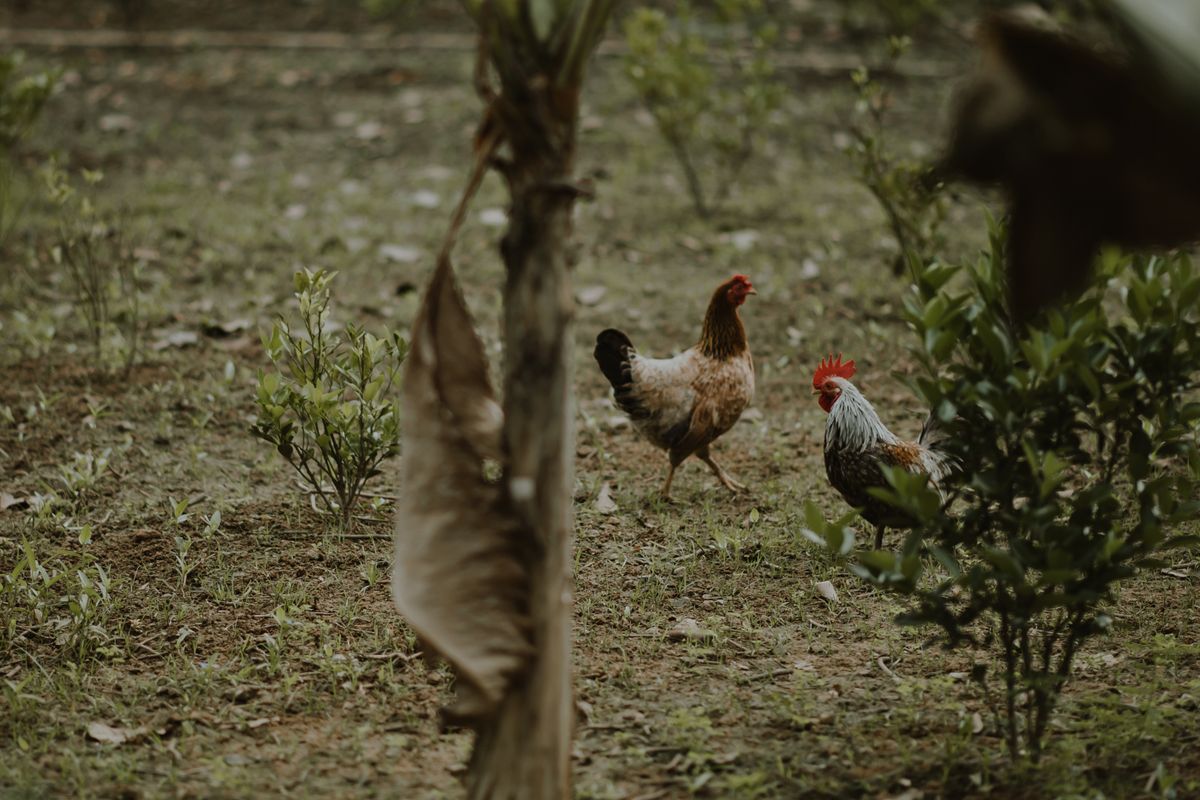
Hardiness and simplicity, mild edge, chickens. Chickens are famously forgiving generalists; quail are hardy adults but demand correct high-protein feed and drown-proofed water as chicks, and their enclosures need lids and tighter predator-proofing (everything eats a quail-sized bird).
The verdict: urban, space-limited, noise-sensitive, impatient, or rule-constrained → quail. Rural, room to spare, want maximum eggs per bird per year of ownership → chickens. Already keeping chickens and curious → quail slot in beside them easily; they're different tools for different jobs.
FAQ
Can quail and chickens share a coop?
Not recommended, size disparity plus disease-transfer risk between the species. Same yard, separate housing.
Do quail eggs taste different?
Remarkably like chicken eggs, richer if anything, given the yolk ratio. Nobody's fooled in a blind scramble, including in the flattering direction.
Which is cheaper?
Setup: quail (smaller everything). Per-egg over years: closer than you'd think, since quail eat game-bird feed and retire early. The cost breakdown has the structure.