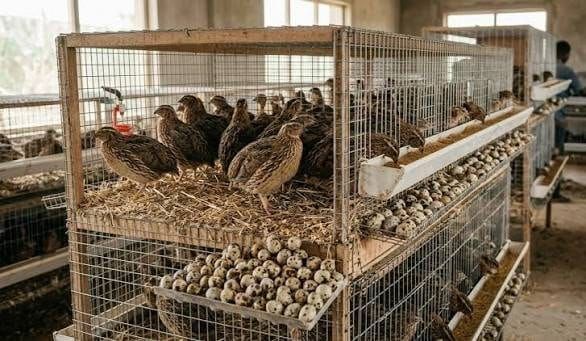
Exceptional — a Coturnix hen starts laying at 6–8 weeks old and at peak lays close to an egg a day, commonly 200–300 a year, provided she gets 14+ hours of light and enough calcium.
Egg production is the argument that wins most people over. Fair enough; it's a good argument. Here's what you're signing up for, including the fine print.
The headline numbers. A Coturnix hen typically lays her first egg at six to eight weeks of age; under stress or short daylight, first eggs can slip toward ten or twelve weeks. At peak she lays close to an egg a day, and well-managed hens are commonly credited with 200–300 eggs in the first year, serious output for a bird that fits in one hand. Do the covey math from how many quail: six to eight hens yield two to four dozen eggs a week in good lay.
Lever one: light. Laying runs on day length. Sustained production wants 14+ hours of light; on natural light alone, expect strong spring-summer lay and a real autumn-winter slowdown. A cheap timer and a low-wattage bulb extending the "day" keep hens laying through winter, a standard and humane practice. Some keepers instead allow a natural winter rest and accept the pause. Either is a legitimate policy; just pick one deliberately.
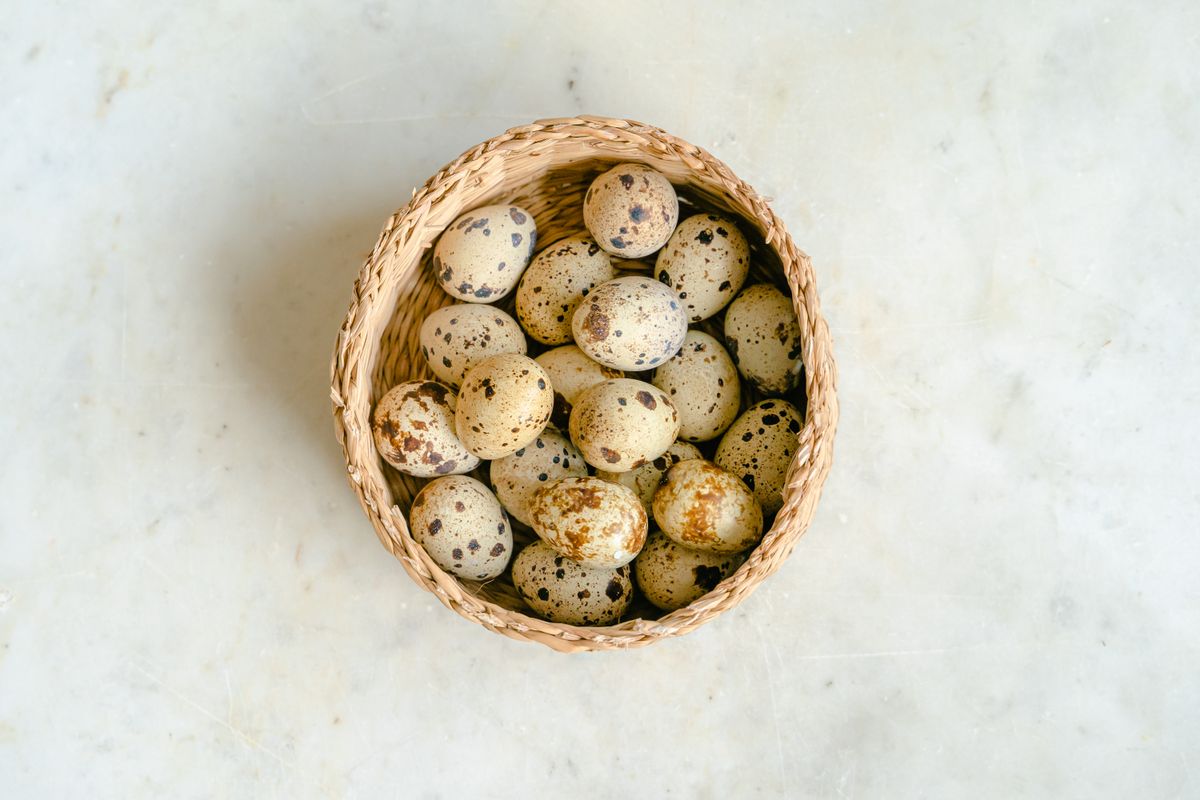
Lever two: calcium. An egg a day is a serious mineral demand. The system: a game-bird layer ration once hens are in lay, plus free-choice calcium on the side, oyster shell or cuttlebone in a separate dish, so birds self-dose. The classic warning light is soft-shelled or shell-less eggs: in an actively laying hen the usual culprit is a calcium shortfall, though heat stress and illness can produce the same symptom. (Full feed program: the Care hub.)
The fine print: the curve. Production doesn't hold at peak forever. First-year lay is the strongest, with decline after, which is why established keepers run flock renewal as routine: hatch or buy replacements and retire seniors (the meat hub is one honest answer; pampered retirement is another). A laying operation is a rolling flock, not a one-time purchase, and the incubator earns its keep here.
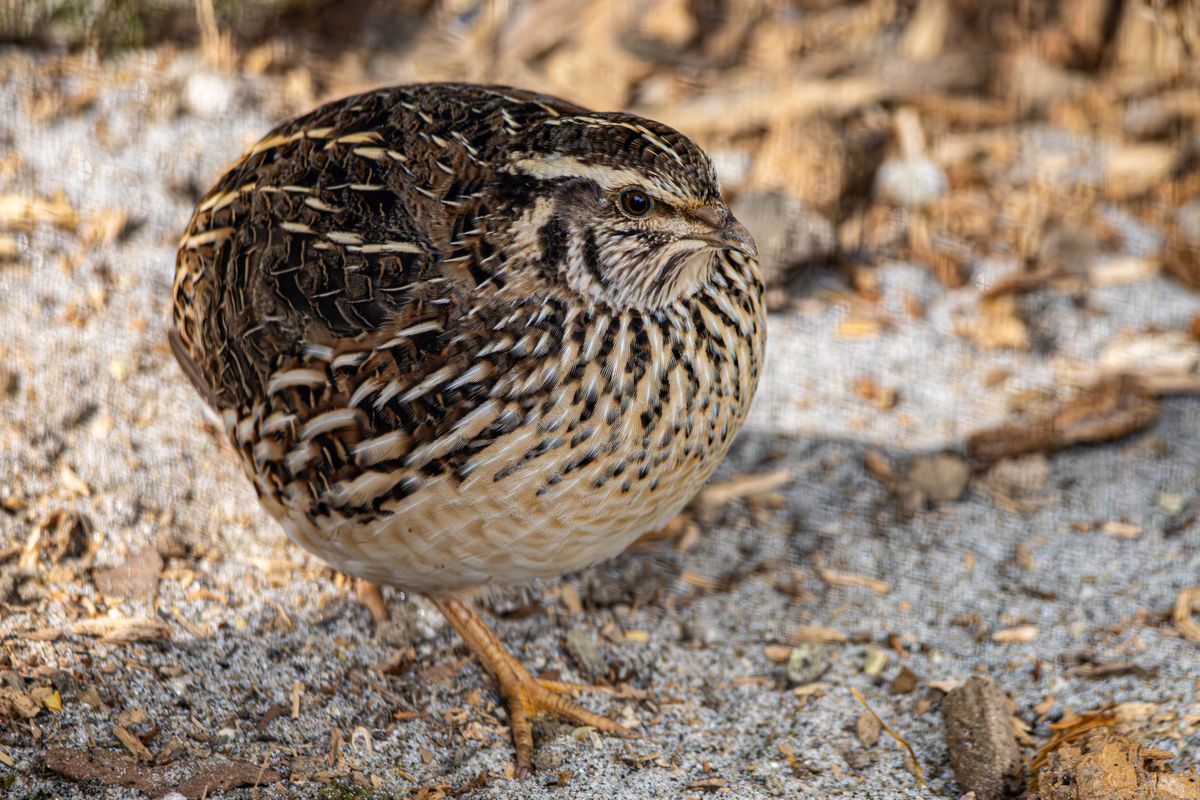
Logistics worth knowing from day one: Coturnix hens don't use nest boxes reliably; eggs appear wherever the hen happened to be standing. Collect daily before eggs get trampled or sampled (roll-away trays solve this neatly in cage setups). The eggs themselves, speckled, disproportionately yolky, occasionally celadon blue if you've bred for it, get their own hub: Eggs, including storage, washing policy, and the vs-chicken arithmetic.
FAQ
Egg a day, really every day?
At peak, near enough; over a year, molt, season, and age average it down, which is how an egg-a-day pace lands in the 200s. Track your covey's weekly count; trends beat single quiet days.
Do I need a male for eggs?
No. Identical production without one. Males are for fertility, not output.
My hens are 10 weeks old and nothing.
Check light first (14+ hours?), then stress (new home, predators testing the wire, overcrowding), then feed (layer-appropriate protein and calcium). Most "late" hens are short on daylight.