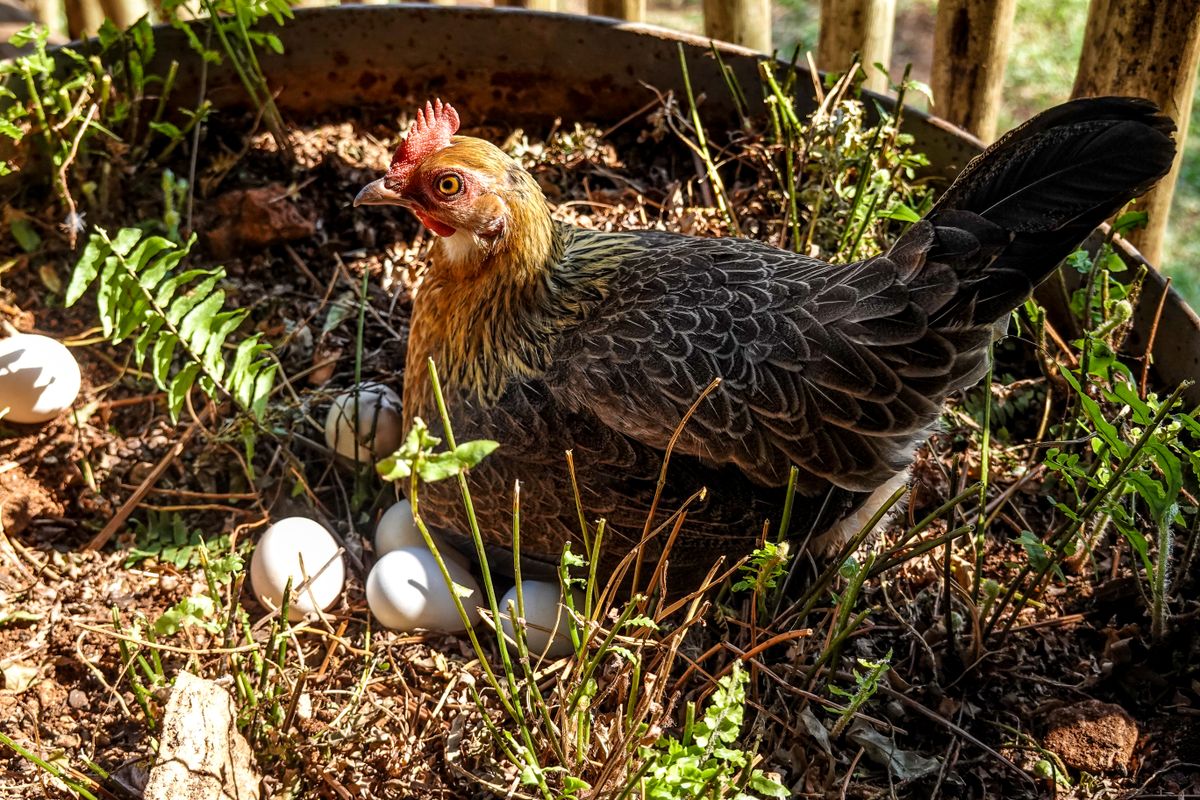
Rarely. Coturnix hens almost never go broody (generations of breeding for egg production dulled the instinct), so there's usually no bird willing to sit.
Here's the answer most sites bury under a DIY-heat-lamp tutorial: for Coturnix quail, "without an incubator" usually means "without a hatch."
The reason is the hens. Coturnix have been domesticated and selected for egg production for a very long time, and broodiness, the drive to sit on a clutch until it hatches, was effectively bred out along the way. The typical Coturnix hen lays her egg wherever she happens to be standing and walks off, every day, forever. Keepers with a hundred hens report one that acted broody. It is rare the way snow in July is rare, not the way snow in April is.
So the question splits into three real sub-questions.
1. Can I encourage a hen to go broody?
You can improve terrible odds to merely bad ones. The consistent report from keepers who've seen it happen: it occurs in aviary-style setups, essentially never in wire cages. A hen considering sitting needs to feel hidden and grounded: solid floor with substrate, dense cover (plants, rocks, huts), a quiet corner, a clutch of eggs left uncollected, and a settled pair or small group rather than a busy colony. Some keepers also believe hens hatched by a broody mother are likelier to sit themselves; plausible, unproven.
Even then: hens that start sitting often quit mid-way, and a hen that hatches chicks may not mother them. If you want to try, treat it as a long-shot side project in a ground aviary you were building anyway, not as your hatching plan.
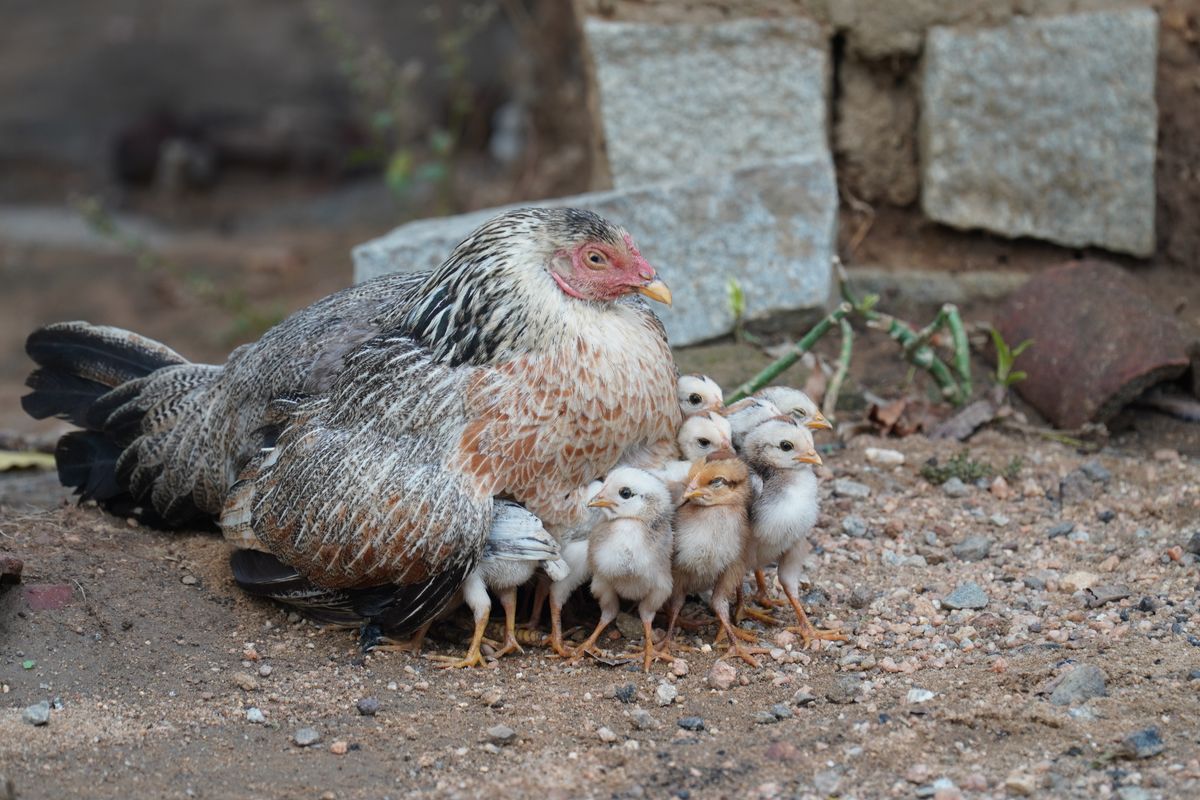
2. Can another bird do the sitting?
Sometimes. The classic move is a small, reliably broody surrogate (think Silkie-type bantams) sitting on quail eggs. Two real problems: size. Quail eggs are tiny under a chicken, so crushing and coverage are both live risks and hatch rates under a broody hen have a deserved poor reputation, and the aftermath: a hatched quail chick is minute, and mixed-species brooding has real risks (disease transfer between chickens and quail among them). Button and Gambel's quail keepers report better natural parenting than Coturnix, but if you're keeping Coturnix, that's trivia, not a plan.

3. Can I rig something warm and call it an incubator?
This is the sub-question most searches actually mean, and the answer is: what you'd be building is an incubator, just a bad one. The job is holding 99.5 °F continuously for 17 days, within about a degree, with humidity management and thrice-daily turning (the full spec). A heat lamp over a box does none of that stably; overnight drift alone kills embryos. If budget is the obstacle, the actual math is that the cheapest functional incubators cost less than the fertile eggs you'd otherwise cook, the gear guide starts at the genuinely-works floor.
The one legitimate emergency version: eggs mid-incubation and a dead incubator. Short-term, embryos tolerate a warm interruption far better than a permanent bad setup. Get heat to ~99–100 °F any stable way you can (oven light plus thermometer, heating pad on low with vigilant monitoring) while you repair or replace. Hours, not days.
The honest bottom line
Breed Coturnix and an incubator is the reproductive system you agreed to operate when you chose the bird. The good news: it's a solved, cheap, three-week problem, and the whole method is six steps.
FAQ
My hen is sitting on eggs right now!
Wonderful: leave her, don't move her or the nest, and keep other birds from harassing her. Have the incubator warm as a backup; abandonment mid-sit is the most common ending.
Do any quail species hatch their own?
Keepers report better broodiness in button and Gambel's quail, and bobwhite occasionally. Coturnix are the outlier, and the one you're most likely keeping.
How did people hatch quail before electricity?
Mostly they didn't hatch Coturnix; historical methods (broody surrogates, warmed rooms) had the failure rates you'd expect.