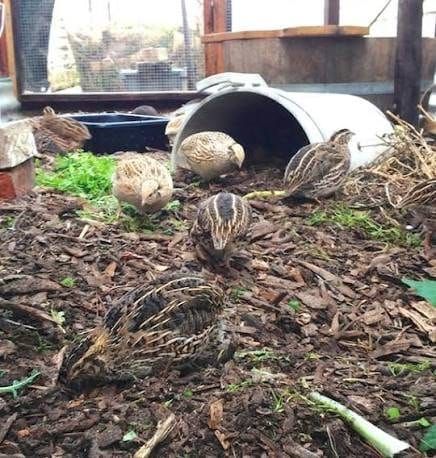
Both systems work when run well. Wire (½×½ in) wins on hygiene, dryness, roll-away eggs, and labor; solid-plus-bedding wins on natural behavior: dust bathing, scratching, ground comfort.
Most quail content picks a floor and pretends the other one is a mistake. What is actually happening is a genuine values disagreement between keepers who both keep thriving birds. Here's the case for each.
Where keepers disagree, floors:
| Camp | Position | Their strongest points |
|---|---|---|
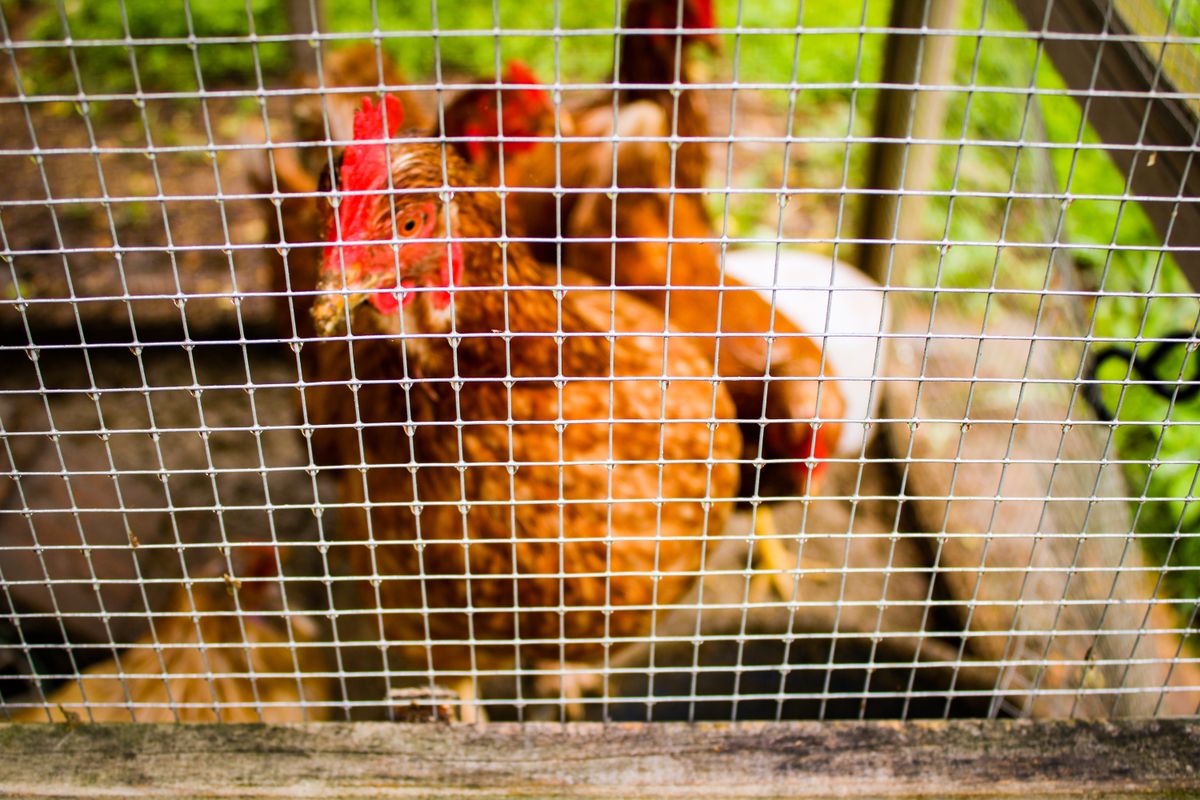
| Wire / tray | ½×½-in mesh floors, waste falls to trays | Stays drier and cleaner than bedding, which takes more daily hygiene work to control moisture and odor. Roll-away eggs. Parasite and coccidiosis pressure lower off the ground. Long-domestication argument: working keepers report visibly content birds on wire, with grass underfoot doing little for measurable welfare |
| Solid / bedding | Ply or ground + deep bedding | Fuller natural behavior: scratching, ground-sitting, easier dust bathing. Aviary keepers are blunt that wire cages all but eliminate broodiness odds; solid-ground setups are where natural nesting ever happens. Softer on feet; the welfare-intuition case |
Both cases are real. The wire camp's hygiene claims are operationally true; the solid camp's behavior claims are behaviorally true. What the argument is actually about is what you're optimizing: production efficiency and labor, or naturalistic behavior. Name your objective and the floor picks itself.
The Quail Stead default: hybrid. Wire or tray main floor for the hygiene and the roll-away, plus a solid-bottomed zone with bedding: a dust-bath tray (sand or a peat-and-sand mix) and a bedded hide box. Birds get ground-behavior real estate; you keep the dry, scrapeable, low-ammonia operation (the smell math). If natural breeding is a goal, that changes the answer: go ground-and-cover aviary and accept the workload. It's the only format where broodiness has any odds at all.
If wire: the spec is the welfare. ½×½-inch exactly. Keeper consensus is precise about why: droppings pass through (¼-inch clogs into a maintenance problem), feet are fully supported, and nothing reaches through from below (1×½ as a floor lets a raccoon or cat pull a bird through. It's wall mesh). Coated wire is gentler on feet where available. And watch the birds: persistent foot sores or lesions are the floor telling you to add a solid resting board. Behavior and body condition referee the debate, not ideology.
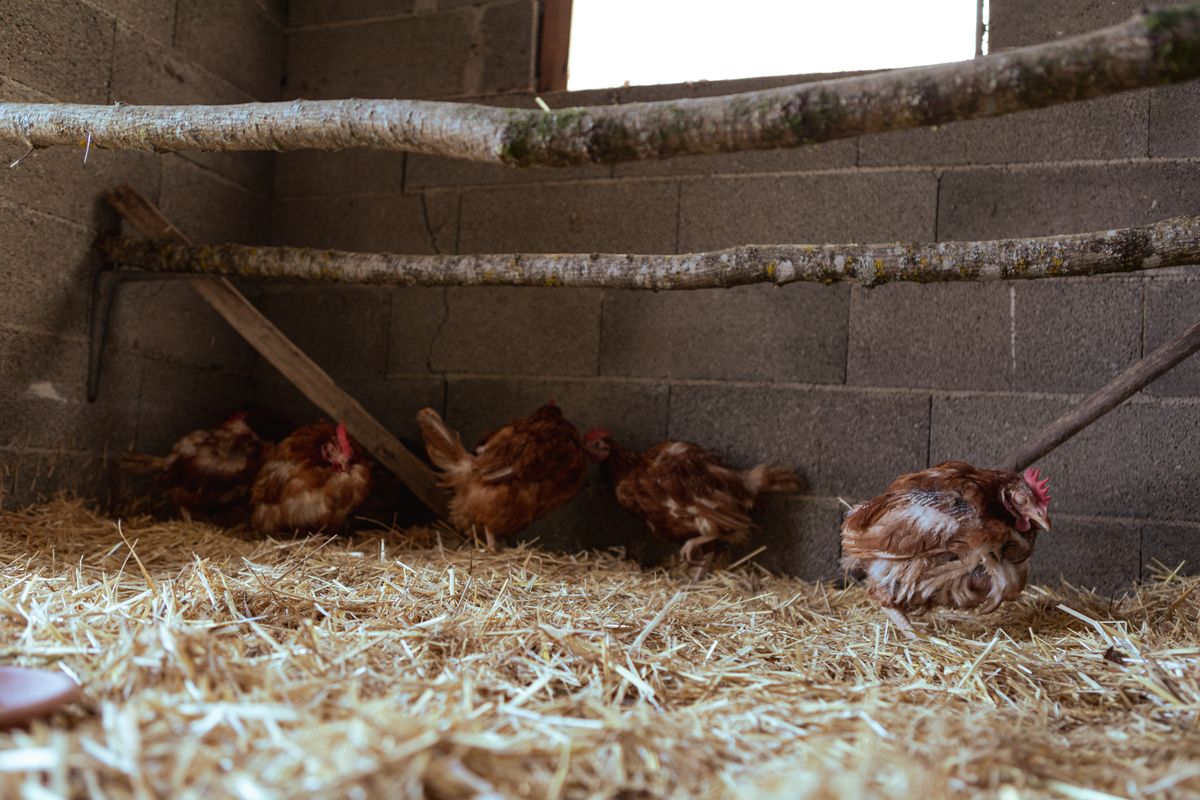
If bedding: material rules. Pine shavings and hemp are the standards; straw works with more frequent turnover. Never cedar (its aromatic oils carry a long-standing respiratory caution, strongest for chicks) and never slick sheet materials alone; newspaper under day-olds is the classic splay-leg cause. Dryness is the whole game: leaks and rain-wet bedding are where ammonia and coccidia live.
Chicks are their own schedule: traction surfaces (textured paper towels, then shavings) for the first stretch; common keeper practice moves birds to wire around two weeks. The brooder guide has the full sequence.
FAQ
Is wire flooring cruel?
At ½×½ with sound feet and a dust-bath zone, working keepers' birds show no distress signals, and hygiene outcomes favor it. Bare wire with no ground zone anywhere is where we'd agree the critics have a point.
Sand as bedding?
In dust-bath trays, ideal. As whole-floor bedding it divides keepers (dust, moisture retention), and never for chicks young enough to eat it before learning what feed is.
How often do trays get emptied?
Weekly scrape for a six-bird hutch is the working cadence; smell is the schedule's referee (details).