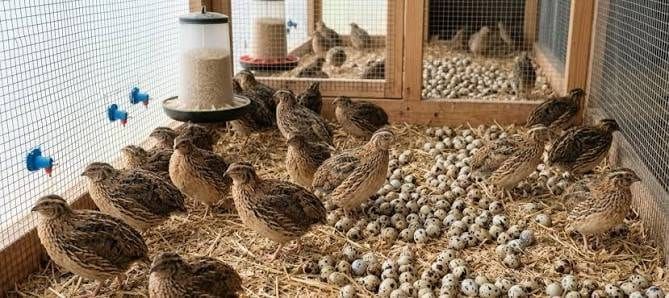
A draft-free box at ~95 °F on the warm side, non-slip absorbent bedding, high-protein game bird starter (24–30%), and a shallow waterer filled with marbles or pebbles so chicks can drink but not drown.
The brooder takes over the incubator's job the moment a chick is dry: outsourced warmth while the bird's own thermostat comes online over the next month. Build it the day you set lockdown and run it warm overnight, and hatch day involves zero improvising with cardboard at 11 pm.
The box
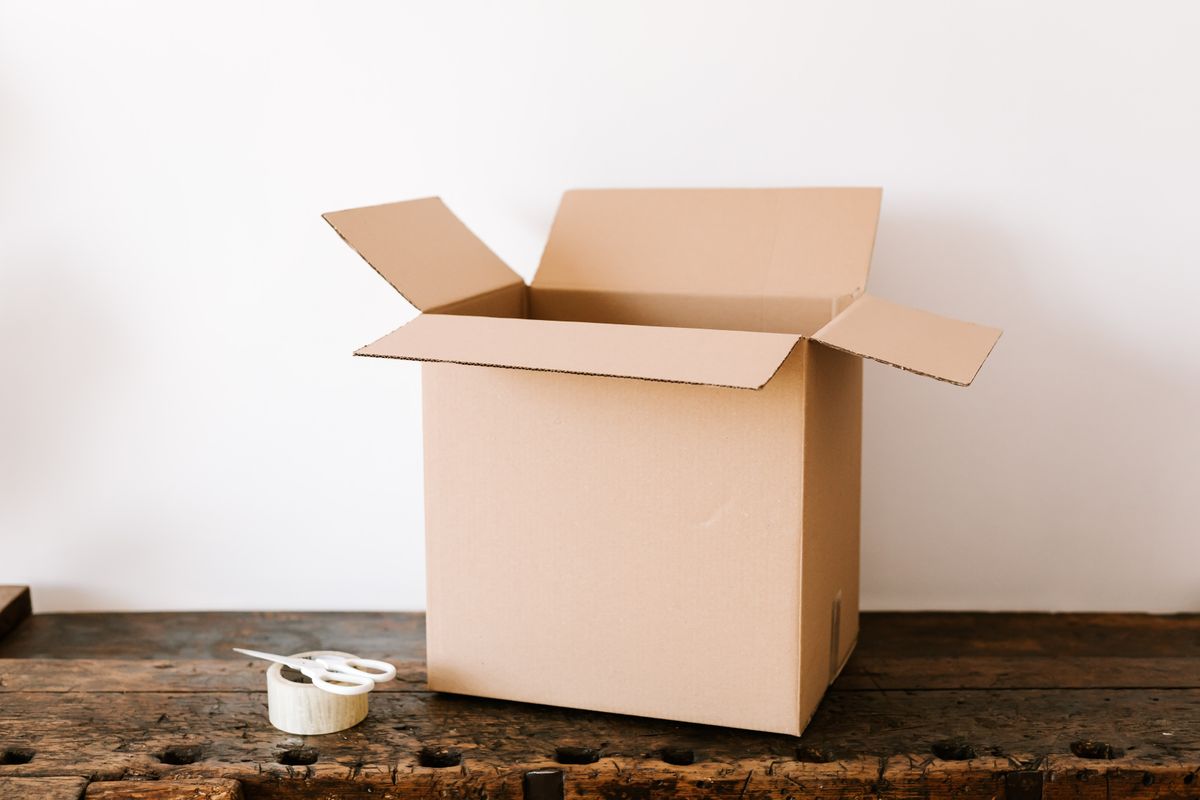
Anything draft-free with walls a chick can't hop and a floor you can cover: a large plastic tote, a stock tank, a purpose-built brooder. Size to the four-week bird. Meyer Hatchery's guideline is no more than 6 chicks per square foot at the start, and they grow into whatever margin you gave them. Critically, make it longer than it is warm: the design goal is a temperature gradient, warm zone under the heat at one end, cooler zone with food and water at the other, so chicks self-select their comfort instead of you guessing it.
By week three, add a screened lid, because Coturnix chicks learn vertical takeoff alarmingly early. Screened, never solid: a solid lid traps heat and humidity, which invites overheating, suffocation, and damp-driven coccidiosis.
Heat
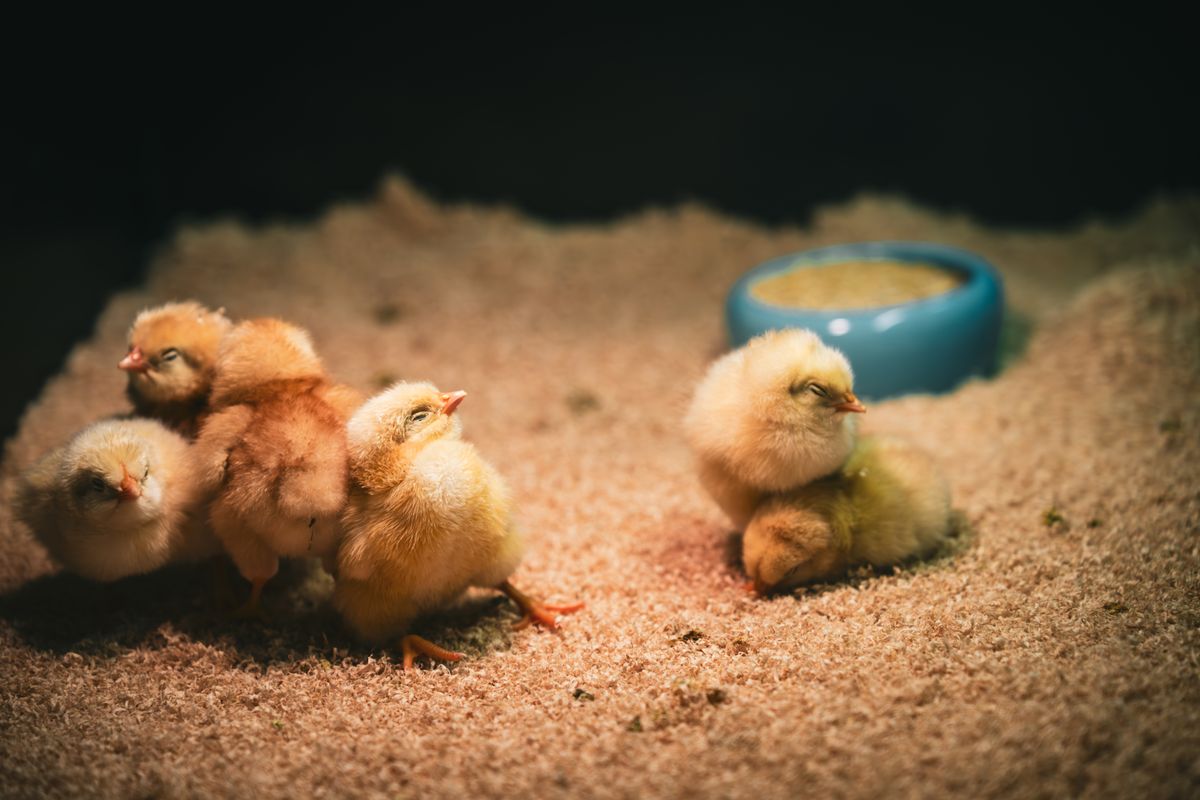
Two hardware options: a heat lamp (cheap, effective, a fire risk to respect, secured twice, never trusted to its clamp) or a brooder heat plate (chicks warm underneath as they would under a hen; lower fire risk, gentler failure mode; the pricier and generally better choice). Either way, the warm zone at chick height starts around 95 °F. Published recommendations for week one range from 90 to 98 °F, and the exact number matters less than the gradient plus the behavior check below. Normal day/night light cycles are fine; constant bright light isn't required with an appropriate heat source.
The behavior thermometer outranks the real one. Mississippi State's guidance is the classic: chicks evenly distributed and quietly peeping means conditions are right; huddled tight under the heat and chirping sharply means cold; pressed to the far edges, panting, drowsy means hot; piled to one side means a draft. Check in the evening especially, and adjust the heat height rather than your interpretation.
Then it's minus 5 °F per week, the full step-down schedule, with what chicks should be doing developmentally each week, is the next guide.
Footing
Non-slip and absorbent, because a slick floor causes splay leg in day-olds: pine shavings or textured paper towels are the standards (paper towels for days 1–3 make feed-finding easier; shavings after). Avoid newspaper alone (too slick) and cedar, per long-standing keeper caution on aromatic oils.
Feed
Game bird starter as crumble or mash, fine enough for a bumblebee-sized beak, crush coarse crumble for week one. Protein is the non-negotiable: Mississippi State's feeding guidance puts the Coturnix starter minimum at 24%, common commercial options like Purina's Game Bird 30% Starter run higher, and standard chick starter at 18–20% is too low for quail. Chicks underbuild on it: slower feathering, weaker growth, higher losses. Turkey starter is the accepted substitute when game bird feed isn't stocked; Mississippi State's guidance is that comparable turkey feeds substitute without hurting performance. Keeper practice favors non-medicated (it also removes any question if birds are later processed). Feed stays available at all times; chicks free-feed.
Grit: unnecessary while they eat only commercial feed; needed once any whole food appears.
Water
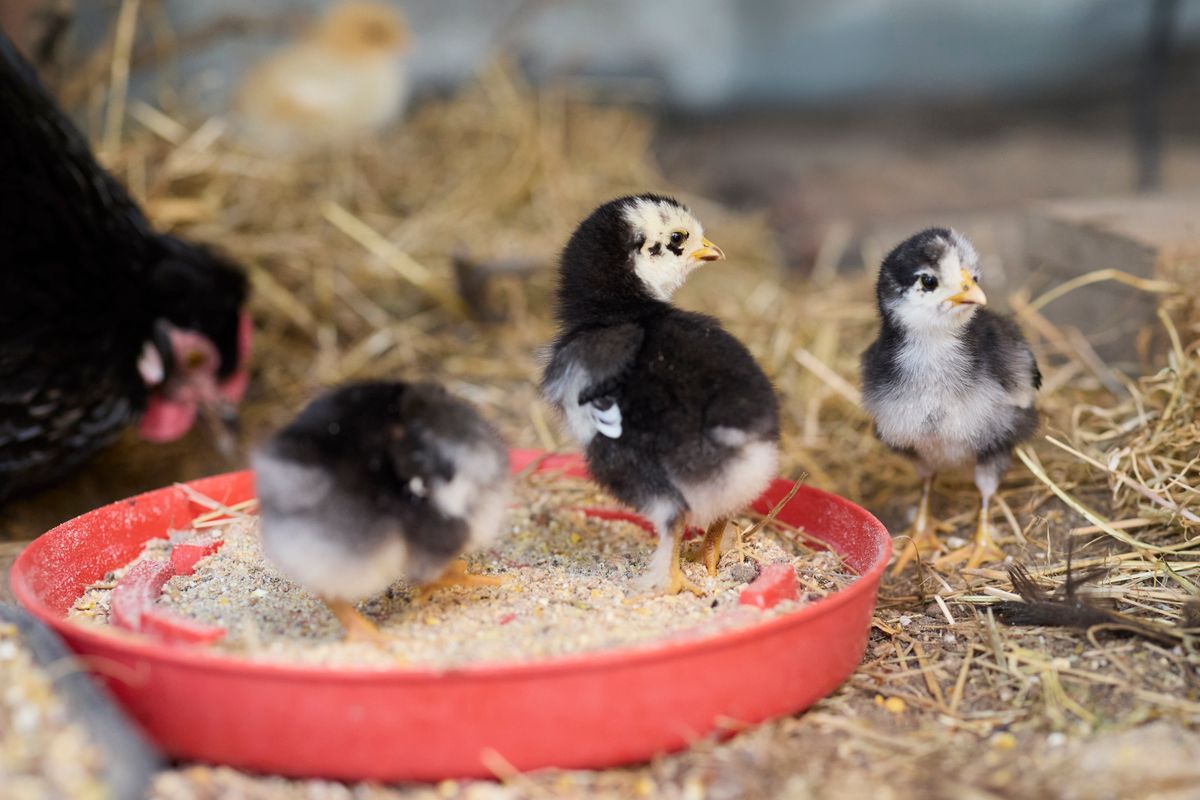
The drowning thing is real, not folklore: a day-old quail chick can drown in a dish a chicken chick treats as a puddle. Shallow poultry waterer base filled with marbles or clean pebbles, chicks drink from the gaps and can't submerge. On move-in day, dip each chick's beak once so it registers the water source; then they teach each other.
The move-in
Chicks transfer from incubator to brooder dry and fluffed, never damp (why the wait). Brooder pre-warmed, feed scattered visibly (a paper towel with feed sprinkled on it works), water marbled, beak-dip on arrival. Then mostly: watch the distribution, top the feeder, and enjoy two weeks of peak comedy before they're suddenly birds.
FAQ
Heat lamp or heat plate?
Plate, if budget allows: hen-like, cooler failure modes, no 250-watt bulb over bedding. Lamp if not, red bulb, secured redundantly, nothing flammable in the fall path.
Do they need light at night?
No. Darkness is fine with adequate heat. A heat plate plus normal day/night beats a light-emitting lamp for sleep rhythm.
When does the waterer stop needing marbles?
Once chicks are clearly too big to submerge, commonly by around two weeks. When in doubt, marbles cost nothing.