Layers: ½-inch 19-gauge hardware cloth on every opening, screws-and-washers fastening, two-action latches, a covered top, and ground defense (buried skirt or apron). ¼-inch at small openings in weasel country.
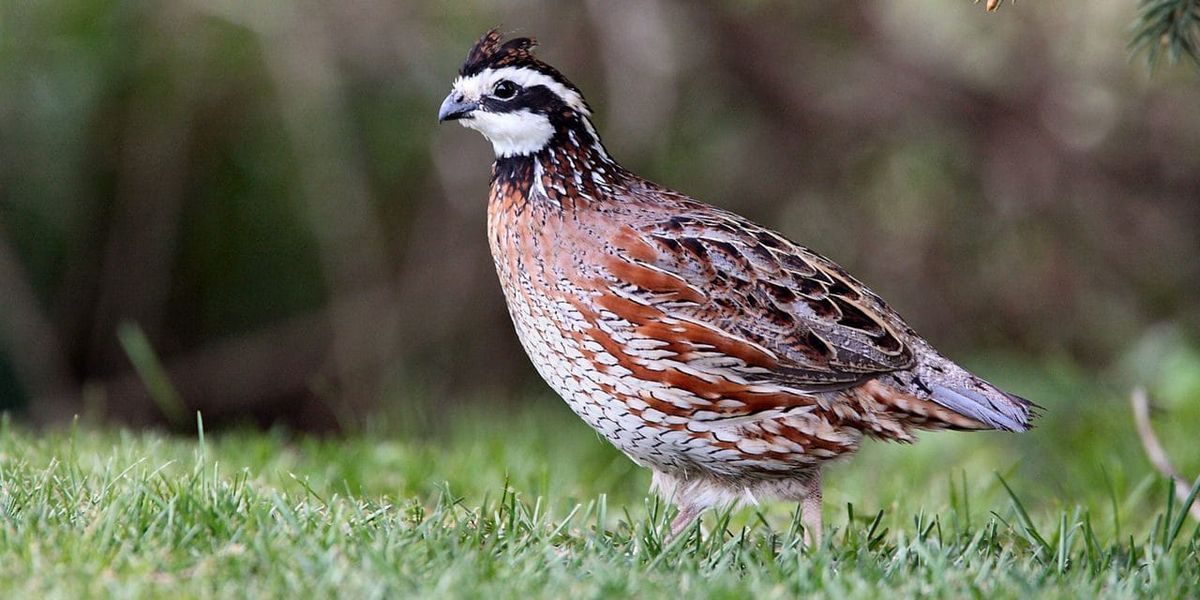
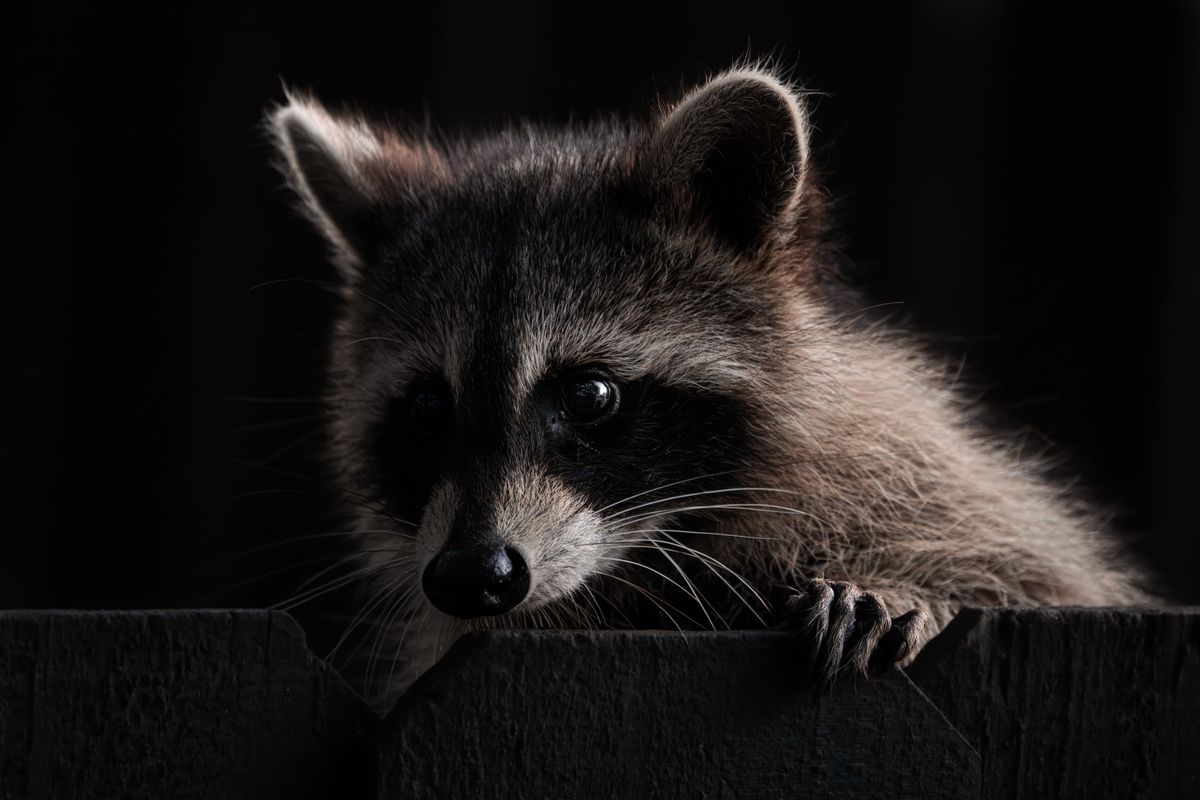
The threat list for a quail-sized bird is long and democratic: raccoons (the engineers, dexterous, strong, latch-literate), weasels and rats (the small-gap specialists), snakes (egg and chick predators through openings you didn't notice), hawks and owls (from above), foxes, coyotes, opossums, and the neighborhood's dogs and cats. The working philosophy, shared by every keeper who has lost birds and rebuilt: the answer is layers, never a fortress. Strong wire, secured bottoms, covered tops, smart latches, good placement, built so that when one layer fails, another still stands.
The layers, each with its number:
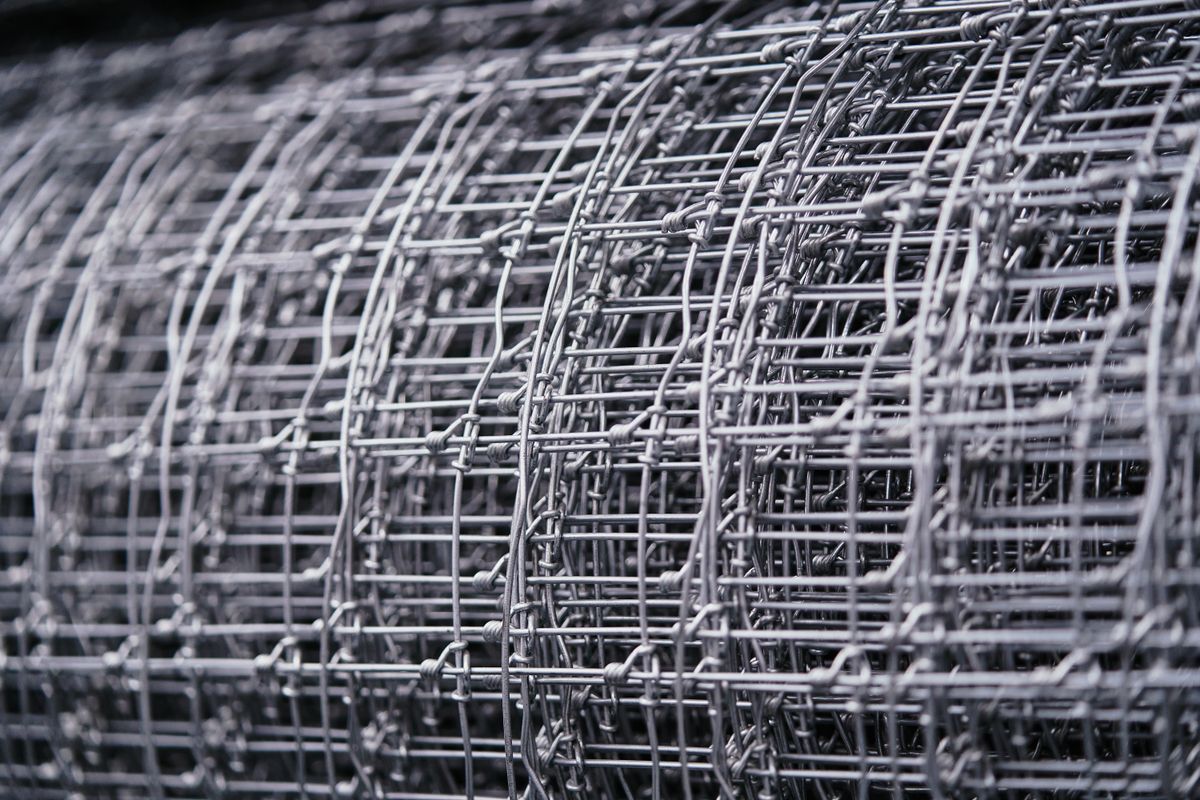
Layer 1: the wire. ½-inch galvanized hardware cloth, 19-gauge minimum, on every face air crosses. ½-inch is the consensus baseline across extension and keeper sources: small enough to stop a raccoon's reaching paw and the squeeze-through specialists, strong enough (at proper gauge) to resist tearing. The gauge trap is real: same-looking 23-gauge big-box cloth tears under a determined raccoon or dog, and unlabeled gauge means assume thin. The weasel nuance: the smallest weasels are commonly credited with passing any opening near an inch (a quarter-sized hole, in the standard telling) so cautious keepers in weasel country run ¼-inch at pop-doors and any opening under 2 inches for extra margin. (¼-inch everywhere is overkill that clogs as flooring; use it where the small threats aim.)
Layer 2: the fastening. Wire is only as strong as its attachment: screws with fender washers spreading the clamp force, seams overlapping onto framing, staples demoted to positioning duty. This is the anti-raccoon spec specifically. Pulling loosely fastened wire free is their signature move.
Layer 3: the top. Always covered, no exceptions: extension guidance is unambiguous that hawks and owls take birds from open-topped pens, and the lid was already mandatory for flushing, one component, two jobs. Solid roofing over part of the run adds weather shelter to the same layer.
Layer 4: the ground. Diggers (foxes, dogs, rats) go under walls. Two documented answers: a buried skirt, cloth run about 12 inches below grade per extension guidance, in PVC-coated cloth because bare galvanized rusts fast in soil, or a surface apron, cloth extending flat outward from the base, pinned; diggers start at the wall, hit mesh, and give up. Raised hutches on legs largely opt out of this layer, one of the format's quiet advantages.
Layer 5: the latches. Two-action minimum on every door: lift-and-turn, carabiner through the hasp, or padlock. Raccoons defeating simple bolts is consistently reported by keepers, not folklore. Include the doors "nothing could reach." That phrase is how the stories start.
Layer 6: placement and habits. Feed sealed in metal bins (feed attracts rats; rats attract everything above them); no dense predator-cover brushing the enclosure; dusk lockup as ritual; and the flashlight audit. Walk the coop at dark, checking every gap against the ½-inch standard, seeing it the way the raccoon does. Night noise from the covey is a report worth investigating, not ignoring: something is often testing the wire.
The electric option: where pressure is heavy (persistent raccoons, dogs, bears) a hot wire run above the apron line is the standard escalation. It's an addition to the layers, never a substitute for them.
FAQ
Is chicken wire okay anywhere at all?
As decorative trim over real cloth, fine. As the barrier, never. It's bird containment, not predator exclusion, and every predator source repeats it.
What killed my birds with no visible entry?
Classic weasel signature. They pass astonishing gaps and kill without extracting. Audit for anything over ¼-inch near ground level; grieve, then upgrade.
Do fake owls / lights / scent deterrents work?
As rotation-dependent seasoning at best. Nothing on this page is replaceable by a plastic owl; the layers are the system.