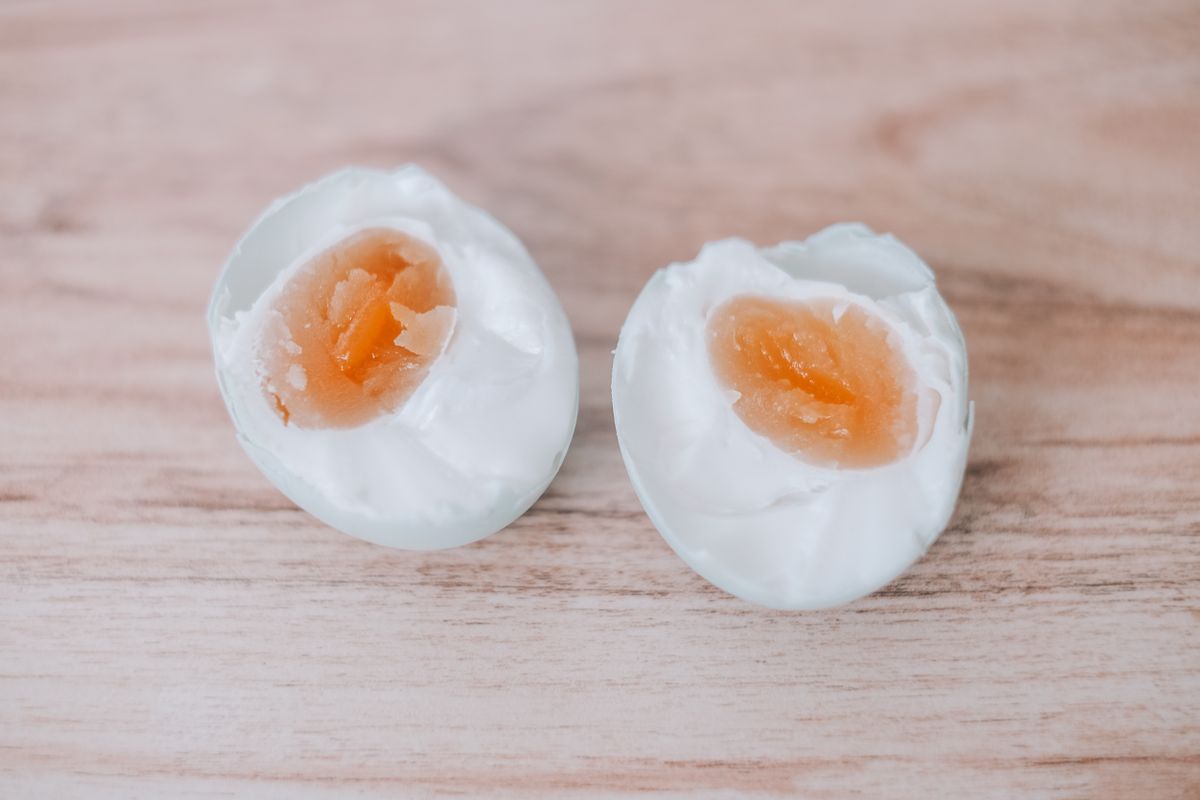
Into already-boiling water: 2 minutes for soft/jammy, about 3 for medium, 3½–4½ for hard-boiled (published times vary inside that band — 4 is the safe middle). Ice bath immediately.
Quail eggs are the fastest boiled egg you'll ever make and the slowest peeled. Times first, then the part that actually determines whether you enjoy them.
The times
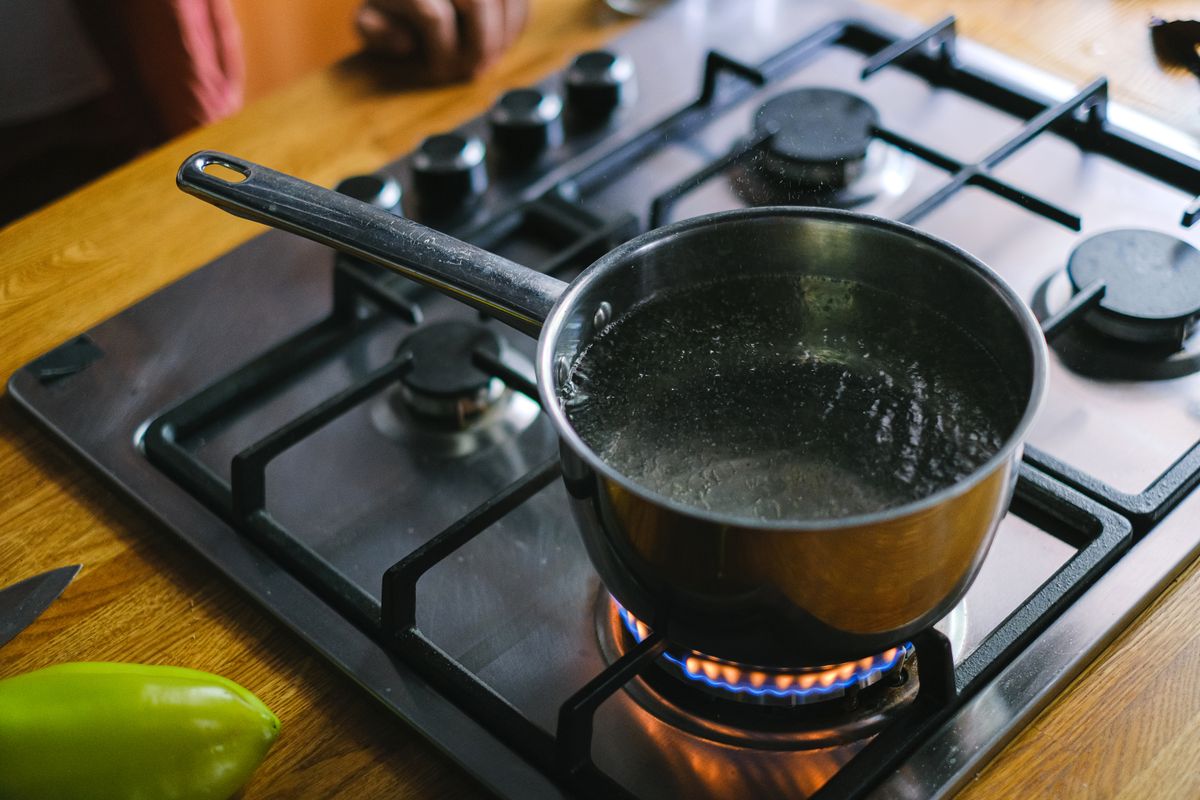
Method first: bring the water to a rolling boil, lower the eggs in gently (spoon; they're tougher than they look and won't crack from the heat), start the timer at entry, and have the ice bath standing by. At these durations thirty seconds changes the result, so "I'll make the ice bath while they cook" is how medium becomes hard.
- Soft / jammy: 2 minutes. The most agreed-upon number in quail cookery.
- Medium: about 3 minutes.
- Hard: 3½ to 4½ minutes. Published times genuinely vary inside this band; the variables are egg size, altitude, and how hard you like "hard." Our house number is 4 minutes, reliably fully set without the greenish over-boiled ring, with 3½ if your eggs run small and you like the center barely set.
- For pickling: 4–5 minutes. Pickled eggs want fully hard yolks.
Then the ice bath, immediately and completely: it stops carryover cooking and it's the first peeling trick.
The peeling problem, solved as well as it can be
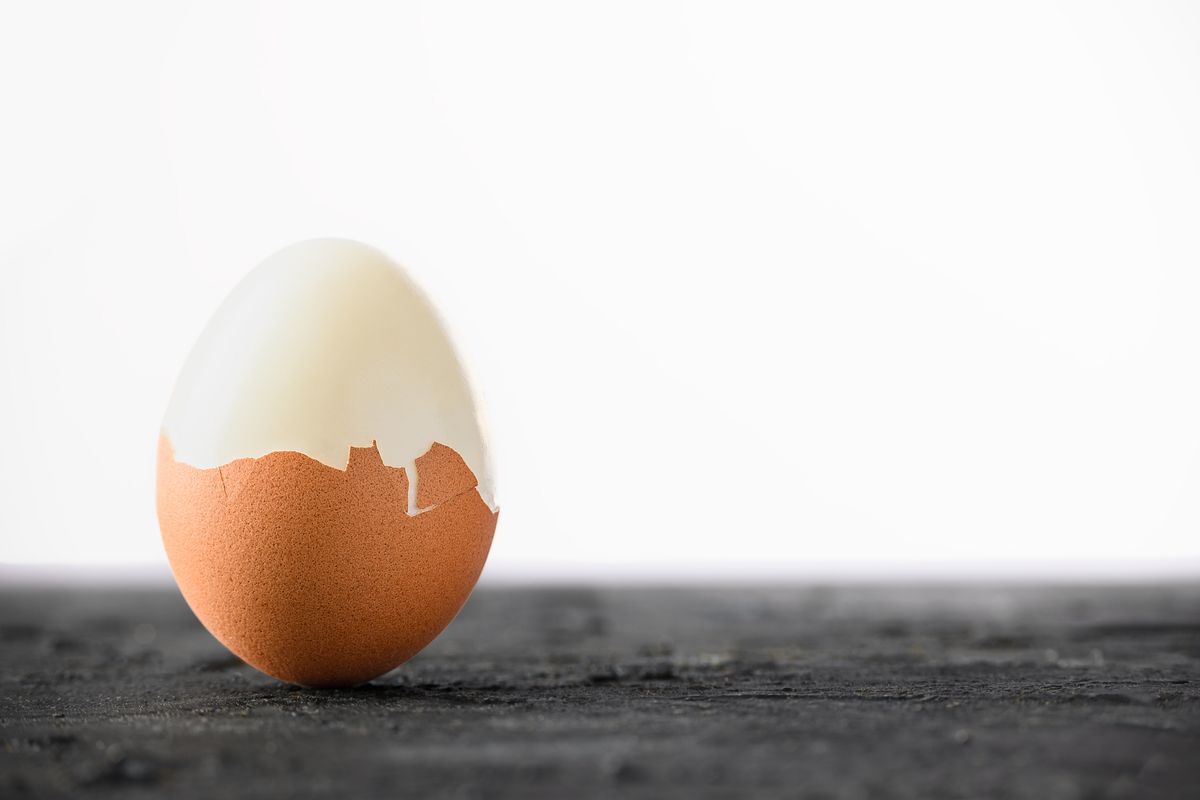
The shell is easy; the membrane is the adversary, thin, elastic, and bonded to the white, especially on fresh eggs. The tricks, all from people who peel these daily:
- Use older eggs. The single biggest lever: eggs a week or two old peel dramatically better than today's, a genuine (and rare) argument for not using your freshest (keepers, date your cartons).
- Add a splash of vinegar or a pinch of baking soda to the water. The standard shell-loosening aids; both camps exist, both report results.
- Peel slightly warm, within a couple of minutes of the ice bath; fully cold, the membrane re-bonds and the job gets harder.
- Crack all over first: tap-roll the egg gently on the counter into a fine crackle, then start at the wide end (the air pocket) and take shell and membrane together, under a trickle of cold water if bits cling.
Or bypass peeling's whole jurisdiction: quail egg scissors snip the top off a soft-boiled egg cleanly. The rare single-purpose gadget that earns its drawer space.
Storage: unpeeled hard-boiled keep longer than peeled. Figure about a week peeled and airtight, up to two unpeeled; refrigerated always, and don't freeze them (the whites turn rubbery). For keeping a big batch, pickling is the traditional answer, done the refrigerator way.
FAQ
Why did my two-minute eggs come out hard?
Eggs went into cold water and rode the heat-up, or the ice bath was late. The schedule assumes boiling first and the bath instantly.
Can I steam or air-fry instead?
Steaming works on the same schedule plus roughly 30 seconds. Instant-pot and air-fryer methods exist too, but timings vary by machine; test one egg before committing the batch.
How many should I boil at once?
Don't crowd the pot. A single layer with water moving freely; batch twice rather than stack.