
Hard-boil and peel the eggs, pack into a sanitized jar, cover with a hot vinegar brine, and refrigerate — always. There is no safe home-canning process for pickled eggs; they are refrigerator products, per the National Center for Home Food Preservation.
Quail eggs were born for the pickle jar: bite-sized, firm, brine-friendly. Pickling is the traditional answer to a producing covey's surplus, and it's the one preparation on this site with a genuine safety architecture, so that comes first, plainly, with the actual authorities.
The rule, and why it exists
There are no home canning directions for pickled eggs. That sentence is verbatim from the National Center for Home Food Preservation, the university-based standard-setter for US home preservation. Every tested recipe on their pickled-eggs page is for refrigerator storage, and pickled eggs should never sit at room temperature except for serving, capped at two hours.
The reason is mechanism, not caution-theater: eggs are a dense, low-acid food (egg white pH can run as high as 9), and brine cannot be counted on to acidify each egg's center, which is the environment botulism toxin needs in a sealed jar. This isn't hypothetical: the CDC documented a botulism case from home-pickled eggs kept at room temperature (Illinois, 1997), and NCHFP points to that report as the warning. Shelf-stable jars at the county fair notwithstanding: fridge, always.
Accordingly, for tested recipes and full safety procedure, go to the source: NCHFP's pickled eggs page. What follows is the process shape and the quail-specific notes; the food-safety layer is theirs, and it should be followed as written.
The process, quail-adjusted
- Boil fully hard, 4–5 minutes (the boiling page), and peel completely; brine can't do anything through shell.
- Sterilize the jar and lid in boiling water before packing (NCHFP calls for sterilized containers, and a 10-minute boil is the standard procedure) with scrupulous hands and tools throughout.
- Pour hot brine over the eggs: the tested recipes run on full-strength commercial vinegar with spices. NCHFP publishes six, from red beet to dilled to pineapple, built on cider or white vinegar. Quail-specific note: small eggs mean the brine penetrates and flavors fast, and a quart jar holds a small covey's whole week.
- Refrigerate immediately, brine covering the eggs completely.
- Wait 1–2 weeks to season, NCHFP's window for small eggs, which quail eggs decidedly are.
- Eat within 3–4 months for best quality, fridge-stored throughout, out only for serving.
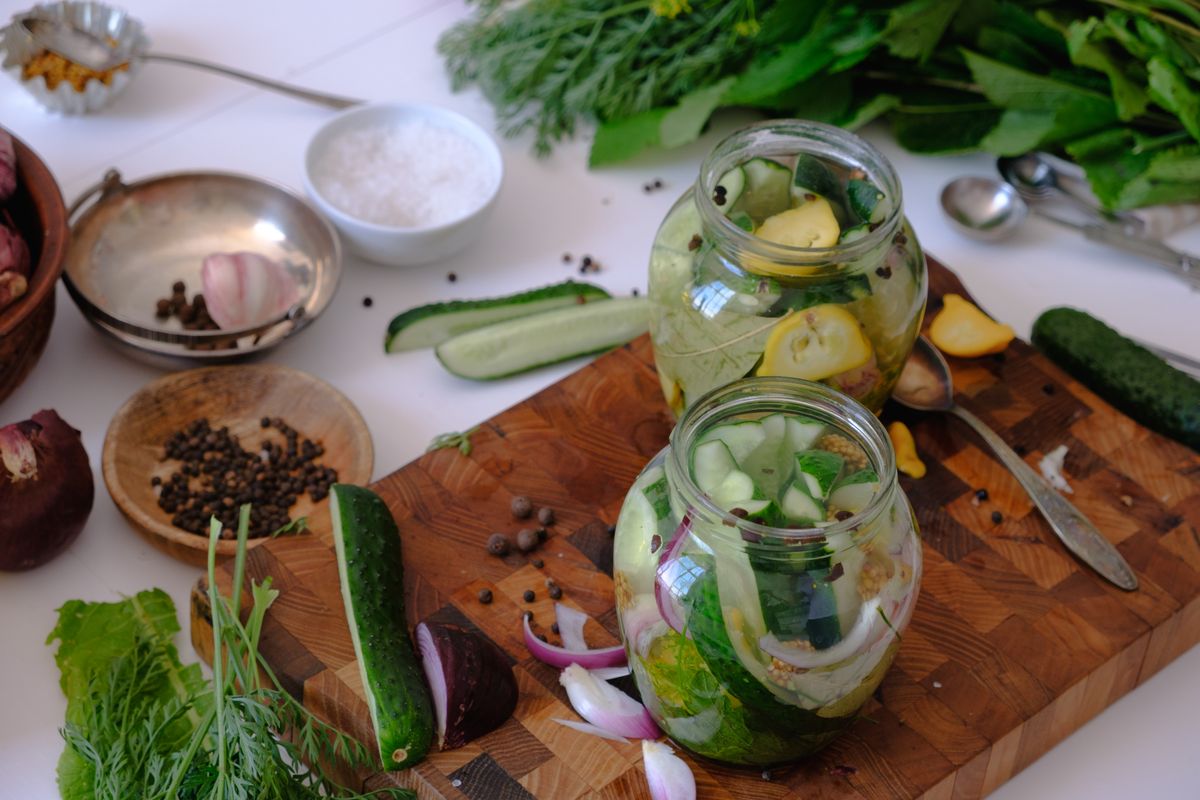
Flavor directions once the safety frame is set: classic spiced, beet-pickled (the magenta showstopper; quail size makes them look like jewels), jalapeño-brined, curry-spiced. Flavoring is free territory; acidity and storage are not. Keep to tested-recipe vinegar strengths and the fridge.
FAQ
The bar down the street keeps theirs on the counter. Why can't I?
Commercial products are acid-verified and processed to standards a home kitchen can't test. NCHFP's answer for home versions is unambiguous: refrigerator only.
Can I reuse the brine for the next batch?
No. Spent brine has diluted acidity and a used microbial history. Fresh brine per batch; it costs a dollar of vinegar.
How long do they really last?
NCHFP's quality window is 3–4 months refrigerated. If a jar ever looks, smells, or fizzes wrong, or you've lost track of how long it's been, a replacement batch costs nothing against the alternative. When in doubt, throw it out.